
Traits
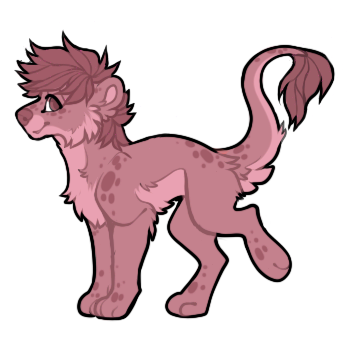
All Common Traits (Common)
This Solarian has all common traits!
These traits can include:
- Small rounded or pointed ears.
- Short hair
- Snaggleteeth
- Round or Slit pupils
- 10 or more spots (for Kiamara only)
Blessed (Inturos)
Blessings are also wholly unique to the character they are attached to, meaning no two blessings are the same - however, there may be similarities.
Blessings are often seen as the lesser option compared to Curses due to having a more balanced buff, however, unlike curses, they have no disadvantages.
Blessings have the opportunity to give great benefits to a character, such as giving an additional chance at something breeding-related or a unique buff to be used in quests. For example, Will Davies has the blessing "Inkling" which consists of the following:
Inkling Buff: Breedings with this Kiamara can have any colours used, regardless of the colours present on the parents or mutation roll results.
Each time a new news post goes live, this character will obtain 10 credits in royalties.
Guarantees parchment to drop from any one-time quests.
Has a 10% chance of a pot of ink dropping from quests.
These are completely random and cannot be re-rolled once added to your character, however, you are able to have them removed. If you choose to have them removed, your character will no longer have the blessing however to obtain a new curse or blessing, you must go through the "Offerings for the Sky Serpents" quest again including waiting for the time limit to pass.
You can only have one blessing or curse active on your character at a time.
Other Species Form (non-passable)
Solarians with this trait have another reference that is non-solarian.
This can be either an OC form or a different closed species.
Solarians with this other species forms must have ALL versions sold/traded together and they must be listed & linked in the Solarian's buff tab so that it can be tracked by staff.
Cursed (Inturos)
Curses are also wholly unique to the character they are attached to, meaning no two curses are the same - however, there may be similarities.
Curses are often seen as the more powerful option compared to Blessings, however, curses also have a catch, hence their name.
Curses have the opportunity to give great benefits to a character, but can also mess with your breedings or quests. For example, Tomas has the curse "Oxidation" which consists of the following:
Oxidation Buff: Guarantees two rolls from all Engineers Guild Quests.
Guarantees an Engineers Bag from all Engineers Guild Quests.
Guarantees Copper Ore to be dropped from any and all quests.
All offspring Tomas has will be green or teal in colour. No other colour can be present on the offspring. Can use shades of green not present on either parent.
All offspring can only roll for uncommon traits during breedings.
Quests from the other two guilds have a 25% chance of not obtaining any loot unless submitting 5 copper ore per quest to avoid this debuff.
These are completely random and cannot be re-rolled once added to your character, however, you are able to have them removed. If you choose to have them removed, your character will no longer have the curse however to obtain a new curse or blessing, you must go through the "Offerings for the Sky Serpents" quest again including waiting for the time limit to pass.
You can only have one blessing or curse active on your character at a time.
Trial Bound (non-passable)
Solarians with this trait have seemed to bypass undergoing a Trial and have obtained feathers through other means.
Those with this trait have feathers but are locked at level one and cannot participate in any ARPG quests until they have completed the Feather Trial Quest in the Newcomers' Hut.
Those with this trait can participate in breedings.
Curse of Midas (non-passable)
This trait is only obtainable from using the Midas' Wish Potion on a Kiamara/Dromedairy.
Solarians with this trait can not have any of their traits rolled to pass on to their children unless the other parent(s) have the trait with the exception of Minor Powers, Major Powers, and Alternate Forms.
Kiamaras with this curse will be treated as All Common Traits in breeedings.
Dromedairies with this curse will be treated as Common Grassland Subtype + Gene in breedings.
This trait can only be removed in one of the following ways;
- If all VR and L traits are removed (except Minor Powers, Major Powers, Alternate Forms)
- If a design update is submitted with the needed stones to properly apply the VR and L shown traits on the ref
- When used in a breeding, there is a 1% chance that the curse is broken, this trait will be removed, and all traits will stay on the Kia/Droma (Note; The curse stays in affect until AFTER the breeding is completed, so if broken the limit of traits passing will still apply to the kids of the breeding it breaks on)
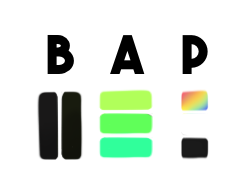
00111010 00101001 Gene (Legendary)
This trait grants the Dromedairy the 00111010 00101001 colour pallette.
If a dromedairy has this gene as recessive, in order for offspring to obtain it the other parent must either have this gene as a dominant gene, or a recessive gene.
Cannot pass to offspring as a dominant gene if only one parent carries the recessive gene and has a 10% chance of becoming dominant if both parents have it as recessive if rolled in a breeding.
Below shows the normal Colouration and how it would look if used in conjunction with the Inverted Gene
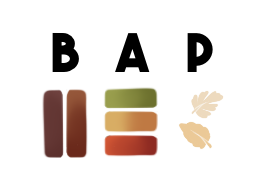
Autumnal Gene (Rare)
This trait grants the Dromedairy the Autumnal colour pallette.
In breedings, this can be passed down as either a dominant or recessive gene.
All Piebald must be drawn in leaf-shapes only. The leaf shape must resemble the one used on the colour. You cannot swap leaf shapes with different piebald colours
Click here for an example.
If a dromedairy has this gene as recessive, in order for offspring to obtain it the other parent must either have this gene as a dominant gene, or a recessive gene.
Cannot pass to offspring as a dominant gene if only one parent carries the recessive gene and has a 50% chance of becoming dominant if both parents have it as recessive if rolled in a breeding
Below shows the normal Colouration and how it would look if used in conjunction with the Inverted Gene

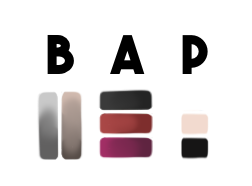
Stone Gene (Very Rare)
This trait grants the Dromedairy the Stone colour pallette.
In breedings, this can be passed down as either a dominant or recessive gene.
If a dromedairy has this gene as recessive, in order for offspring to obtain it the other parent must either have this gene as a dominant gene, or a recessive gene.
Cannot pass to offspring as a dominant gene if only one parent carries the recessive gene and has a 25% chance of becoming dominant if both parents have it as recessive if rolled in a breeding.
Below shows the normal Colouration and how it would look if used in conjunction with the Inverted Gene

Earlybird Gene (Very Rare)
This trait grants the Dromedairy the Earlybird colour pallette.
In breedings, this can be passed down as either a dominant or recessive gene.
If a dromedairy has this gene as recessive, in order for offspring to obtain it the other parent must either have this gene as a dominant gene, or a recessive gene.
Cannot pass to offspring as a dominant gene if only one parent carries the recessive gene and has a 25% chance of becoming dominant if both parents have it as recessive if rolled in a breeding.
Below shows the normal Colouration and how it would look if used in conjunction with the Inverted Gene

Scorched Gene (Legendary)
This trait grants the Dromedairy the Scorched colour pallette.
In breedings, this can be passed down as either a dominant or recessive gene.
If a dromedairy has this gene as recessive, in order for offspring to obtain it the other parent must either have this gene as a dominant gene, or a recessive gene.
Cannot pass to offspring as a dominant gene if only one parent carries the recessive gene and has a 10% chance of becoming dominant if both parents have it as recessive if rolled in a breeding.
Below shows the normal Colouration and how it would look if used in conjunction with the Inverted Gene
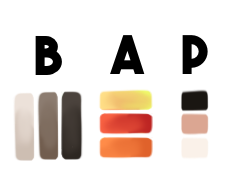
Birch Gene (Very Rare)
This trait grants the Dromedairy the Birch colour pallette.
If a dromedairy has this gene as recessive, in order for offspring to obtain it the other parent must either have this gene as a dominant gene, or a recessive gene.
Cannot pass to offspring as a dominant gene if only one parent carries the recessive gene and has a 25% chance of becoming dominant if both parents have it as recessive if rolled in a breeding.
Below shows the normal Colouration and how it would look if used in conjunction with the Inverted Gene
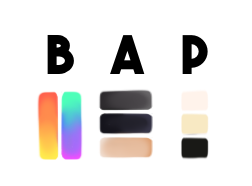
Astral Gene (Legendary)
This trait grants the Dromedairy the Astral colour pallette.
If a dromedairy has this gene as recessive, in order for offspring to obtain it the other parent must either have this gene as a dominant gene, or a recessive gene.
Cannot pass to offspring as a dominant gene if only one parent carries the recessive gene and has a 10% chance of becoming dominant if both parents have it as recessive if rolled in a breeding.
Below shows the normal Colouration and how it would look if used in conjunction with the Inverted Gene
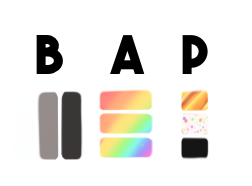
Dispersion Gene (Legendary)
This trait grants the Dromedairy the Dispersion colour pallette.
If a dromedairy has this gene as recessive, in order for offspring to obtain it the other parent must either have this gene as a dominant gene, or a recessive gene.
Cannot pass to offspring as a dominant gene if only one parent carries the recessive gene and has a 10% chance of becoming dominant if both parents have it as recessive if rolled in a breeding.
Below shows the normal Colouration and how it would look if used in conjunction with the Inverted Gene
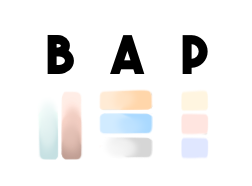
Stratus Gene (Uncommon)
This trait grants the Dromedairy the Stratus colour pallette.
If a dromedairy has this gene as recessive, in order for offspring to obtain it the other parent must either have this gene as a dominant gene, or a recessive gene.
Cannot pass to offspring as a dominant gene if only one parent carries the recessive gene and has a 75% chance of becoming dominant if both parents have it as recessive if rolled in a breeding.
Below shows the normal Colouration and how it would look if used in conjunction with the Inverted Gene

Glaze Gene (Uncommon)
This trait grants the Dromedairy the Glaze colour pallette.
If a dromedairy has this gene as recessive, in order for offspring to obtain it the other parent must either have this gene as a dominant gene, or a recessive gene.
Cannot pass to offspring as a dominant gene if only one parent carries the recessive gene and has a 75% chance of becoming dominant if both parents have it as recessive if rolled in a breeding.
Below shows the normal Colouration and how it would look if used in conjunction with the Inverted Gene
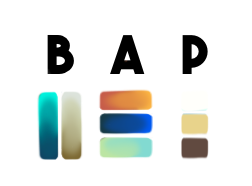
Reef Gene (Uncommon)
This trait grants the Dromedairy the Reef colour pallette.
If a dromedairy has this gene as recessive, in order for offspring to obtain it the other parent must either have this gene as a dominant gene, or a recessive gene.
Cannot pass to offspring as a dominant gene if only one parent carries the recessive gene and has a 75% chance of becoming dominant if both parents have it as recessive if rolled in a breeding.
Below shows the normal Colouration and how it would look if used in conjunction with the Inverted Gene
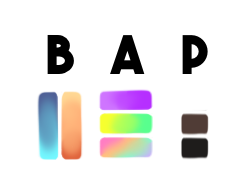
Butterfly Gene (Uncommon)
This trait grants the Dromedairy the Butterfly colour pallette.
If a dromedairy has this gene as recessive, in order for offspring to obtain it the other parent must either have this gene as a dominant gene, or a recessive gene.
Cannot pass to offspring as a dominant gene if only one parent carries the recessive gene and has a 75% chance of becoming dominant if both parents have it as recessive if rolled in a breeding.
Below shows the normal Colouration and how it would look if used in conjunction with the Inverted Gene
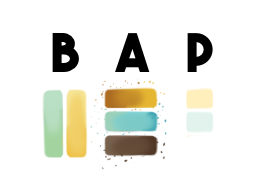
Dawnrose Gene (Rare)
This trait grants the Dromedairy the Dawnrose colour pallette.
In breedings, this can be passed down as either a dominant or recessive gene.
If a dromedairy has this gene as recessive, in order for offspring to obtain it the other parent must either have this gene as a dominant gene, or a recessive gene.
Cannot pass to offspring as a dominant gene if only one parent carries the recessive gene and has a 50% chance of becoming dominant if both parents have it as recessive if rolled in a breeding.
The accent markings of this gene sparkle and it includes the sparkles as part of the gene, meaning that the sparkle trait does not get listed on the Droma.
This Gene is incompatible with the Single-Placed Sparkle trait and Multi-Placed Sparkle trait.
Below shows the normal Colouration and how it would look if used in conjunction with the Inverted Gene