
Traits

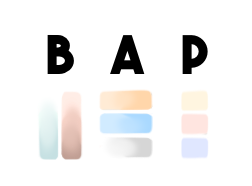
Glaze Gene (Uncommon)
This trait grants the Dromedairy the Glaze colour pallette.
If a dromedairy has this gene as recessive, in order for offspring to obtain it the other parent must either have this gene as a dominant gene, or a recessive gene.
Cannot pass to offspring as a dominant gene if only one parent carries the recessive gene and has a 75% chance of becoming dominant if both parents have it as recessive if rolled in a breeding.
Below shows the normal Colouration and how it would look if used in conjunction with the Inverted Gene
Stratus Gene (Uncommon)
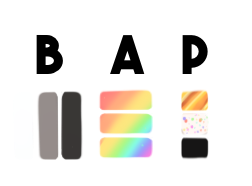
This trait grants the Dromedairy the Stratus colour pallette.
If a dromedairy has this gene as recessive, in order for offspring to obtain it the other parent must either have this gene as a dominant gene, or a recessive gene.
Cannot pass to offspring as a dominant gene if only one parent carries the recessive gene and has a 75% chance of becoming dominant if both parents have it as recessive if rolled in a breeding.
Below shows the normal Colouration and how it would look if used in conjunction with the Inverted Gene
Dispersion Gene (Legendary)
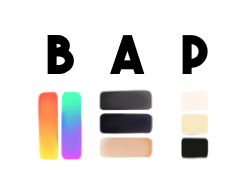
This trait grants the Dromedairy the Dispersion colour pallette.
If a dromedairy has this gene as recessive, in order for offspring to obtain it the other parent must either have this gene as a dominant gene, or a recessive gene.
Cannot pass to offspring as a dominant gene if only one parent carries the recessive gene and has a 10% chance of becoming dominant if both parents have it as recessive if rolled in a breeding.
Below shows the normal Colouration and how it would look if used in conjunction with the Inverted Gene
Astral Gene (Legendary)
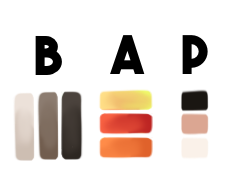
This trait grants the Dromedairy the Astral colour pallette.
If a dromedairy has this gene as recessive, in order for offspring to obtain it the other parent must either have this gene as a dominant gene, or a recessive gene.
Cannot pass to offspring as a dominant gene if only one parent carries the recessive gene and has a 10% chance of becoming dominant if both parents have it as recessive if rolled in a breeding.
Below shows the normal Colouration and how it would look if used in conjunction with the Inverted Gene
Birch Gene (Very Rare)
This trait grants the Dromedairy the Birch colour pallette.
If a dromedairy has this gene as recessive, in order for offspring to obtain it the other parent must either have this gene as a dominant gene, or a recessive gene.
Cannot pass to offspring as a dominant gene if only one parent carries the recessive gene and has a 25% chance of becoming dominant if both parents have it as recessive if rolled in a breeding.
Below shows the normal Colouration and how it would look if used in conjunction with the Inverted Gene

Scorched Gene (Legendary)
This trait grants the Dromedairy the Scorched colour pallette.
In breedings, this can be passed down as either a dominant or recessive gene.
If a dromedairy has this gene as recessive, in order for offspring to obtain it the other parent must either have this gene as a dominant gene, or a recessive gene.
Cannot pass to offspring as a dominant gene if only one parent carries the recessive gene and has a 10% chance of becoming dominant if both parents have it as recessive if rolled in a breeding.
Below shows the normal Colouration and how it would look if used in conjunction with the Inverted Gene

Earlybird Gene (Very Rare)
This trait grants the Dromedairy the Earlybird colour pallette.
In breedings, this can be passed down as either a dominant or recessive gene.
If a dromedairy has this gene as recessive, in order for offspring to obtain it the other parent must either have this gene as a dominant gene, or a recessive gene.
Cannot pass to offspring as a dominant gene if only one parent carries the recessive gene and has a 25% chance of becoming dominant if both parents have it as recessive if rolled in a breeding.
Below shows the normal Colouration and how it would look if used in conjunction with the Inverted Gene
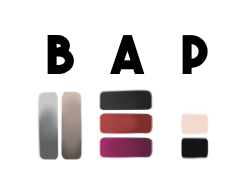
Stone Gene (Very Rare)
This trait grants the Dromedairy the Stone colour pallette.
In breedings, this can be passed down as either a dominant or recessive gene.
If a dromedairy has this gene as recessive, in order for offspring to obtain it the other parent must either have this gene as a dominant gene, or a recessive gene.
Cannot pass to offspring as a dominant gene if only one parent carries the recessive gene and has a 25% chance of becoming dominant if both parents have it as recessive if rolled in a breeding.
Below shows the normal Colouration and how it would look if used in conjunction with the Inverted Gene

00111010 00101001 Gene (Legendary)
This trait grants the Dromedairy the 00111010 00101001 colour pallette.
If a dromedairy has this gene as recessive, in order for offspring to obtain it the other parent must either have this gene as a dominant gene, or a recessive gene.
Cannot pass to offspring as a dominant gene if only one parent carries the recessive gene and has a 10% chance of becoming dominant if both parents have it as recessive if rolled in a breeding.
Below shows the normal Colouration and how it would look if used in conjunction with the Inverted Gene

Strawberry Gene (Rare)
This trait grants the Dromedairy the Strawberry colour pallette.
In breedings, this can be passed down as either a dominant or recessive gene.
If a dromedairy has this gene as recessive, in order for offspring to obtain it the other parent must either have this gene as a dominant gene, or a recessive gene.
Cannot pass to offspring as a dominant gene if only one parent carries the recessive gene and has a 50% chance of becoming dominant if both parents have it as recessive if rolled in a breeding.
Below shows the normal Colouration and how it would look if used in conjunction with the Inverted Gene

Spring Gene (Rare)
This trait grants the Dromedairy the Spring colour pallette.
In breedings, this can be passed down as either a dominant or recessive gene.
If a dromedairy has this gene as recessive, in order for offspring to obtain it the other parent must either have this gene as a dominant gene, or a recessive gene.
Cannot pass to offspring as a dominant gene if only one parent carries the recessive gene and has a 50% chance of becoming dominant if both parents have it as recessive if rolled in a breeding.
Below shows the normal Colouration and how it would look if used in conjunction with the Inverted Gene
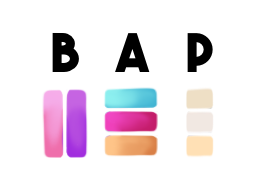
Sakura Gene (Very Rare)
This trait grants the Dromedairy the Sakura colour pallette.
In breedings, this can be passed down as either a dominant or recessive gene.
If a dromedairy has this gene as recessive, in order for offspring to obtain it the other parent must either have this gene as a dominant gene, or a recessive gene.
Cannot pass to offspring as a dominant gene if only one parent carries the recessive gene and has a 25% chance of becoming dominant if both parents have it as recessive if rolled in a breeding.
Below shows the normal Colouration and how it would look if used in conjunction with the Inverted Gene
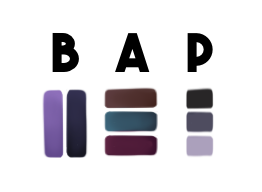
Wine Gene (Rare)
This trait grants the Dromedairy the Wine colour pallette.
In breedings, this can be passed down as either a dominant or recessive gene.
If a dromedairy has this gene as recessive, in order for offspring to obtain it the other parent must either have this gene as a dominant gene, or a recessive gene.
Cannot pass to offspring as a dominant gene if only one parent carries the recessive gene and has a 50% chance of becoming dominant if both parents have it as recessive if rolled in a breeding.
Below shows the normal Colouration and how it would look if used in conjunction with the Inverted Gene
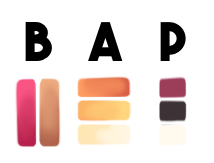
Sun Cookie Gene (Uncommon)
This trait grants the Dromedairy the Sun Cookie colour pallette.
In breedings, this can be passed down as either a dominant or recessive gene.
If a dromedairy has this gene as recessive, in order for offspring to obtain it the other parent must either have this gene as a dominant gene, or a recessive gene.
Cannot pass to offspring as a dominant gene if only one parent carries the recessive gene and has a 75% chance of becoming dominant if both parents have it as recessive if rolled in a breeding.
Below shows the normal Colouration and how it would look if used in conjunction with the Inverted Gene
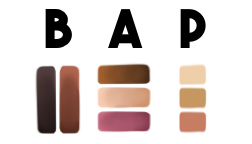
Coco Gene (Rare)
This trait grants the Dromedairy the Coco colour pallette.
In breedings, this can be passed down as either a dominant or recessive gene.
If a dromedairy has this gene as recessive, in order for offspring to obtain it the other parent must either have this gene as a dominant gene, or a recessive gene.
Cannot pass to offspring as a dominant gene if only one parent carries the recessive gene and has a 50% chance of becoming dominant if both parents have it as recessive if rolled in a breeding.
Below shows the normal Colouration and how it would look if used in conjunction with the Inverted Gene

Tropical Gene (Common)
This trait grants the Dromedairy the Tropical colour pallette.
This gene cannot be recessive.
Below shows the normal Colouration and how it would look if used in conjunction with the Inverted Gene
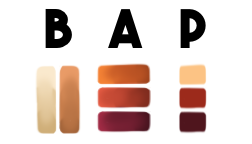
Friendelion Gene (Rare)
This trait grants the Dromedairy the Friendelion colour pallette.
In breedings, this can be passed down as either a dominant or recessive gene.
If a dromedairy has this gene as recessive, in order for offspring to obtain it the other parent must either have this gene as a dominant gene, or a recessive gene.
Cannot pass to offspring as a dominant gene if only one parent carries the recessive gene and has a 50% chance of becoming dominant if both parents have it as recessive if rolled in a breeding.
Below shows the normal Colouration and how it would look if used in conjunction with the Inverted Gene
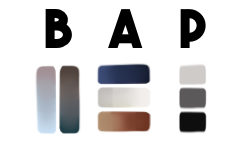
Tundra Gene (Common)
This trait grants the Dromedairy the Tundra colour pallette.
This gene cannot be recessive.
Below shows the normal Colouration and how it would look if used in conjunction with the Inverted Gene
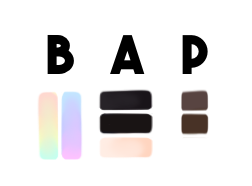
Bubble Gene (Very Rare)
This trait grants the Dromedairy the Bubble colour pallette.
In breedings, this can be passed down as either a dominant or recessive gene.
If a dromedairy has this gene as recessive, in order for offspring to obtain it the other parent must either have this gene as a dominant gene, or a recessive gene.
Cannot pass to offspring as a dominant gene if only one parent carries the recessive gene and has a 25% chance of becoming dominant if both parents have it as recessive if rolled in a breeding.
Below shows the normal Colouration and how it would look if used in conjunction with the Inverted Gene

Brine Gene (Uncommon)
This trait grants the Dromedairy the Brine colour pallette.
If a dromedairy has this gene as recessive, in order for offspring to obtain it the other parent must either have this gene as a dominant gene, or a recessive gene.
Cannot pass to offspring as a dominant gene if only one parent carries the recessive gene and has a 75% chance of becoming dominant if both parents have it as recessive if rolled in a breeding.
Below shows the normal Colouration and how it would look if used in conjunction with the Inverted Gene