
Traits

Reef Gene (Uncommon)
This trait grants the Dromedairy the Reef colour pallette.
If a dromedairy has this gene as recessive, in order for offspring to obtain it the other parent must either have this gene as a dominant gene, or a recessive gene.
Cannot pass to offspring as a dominant gene if only one parent carries the recessive gene and has a 75% chance of becoming dominant if both parents have it as recessive if rolled in a breeding.
Below shows the normal Colouration and how it would look if used in conjunction with the Inverted Gene

Fulmination Gene (Uncommon)
This trait grants the Dromedairy the Fulmination colour pallette.
If a dromedairy has this gene as recessive, in order for offspring to obtain it the other parent must either have this gene as a dominant gene, or a recessive gene.
Cannot pass to offspring as a dominant gene if only one parent carries the recessive gene and has a 75% chance of becoming dominant if both parents have it as recessive if rolled in a breeding.
Below shows the normal Colouration and how it would look if used in conjunction with the Inverted Gene
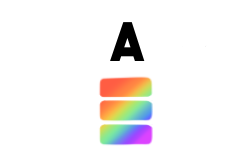
Prideful Gene (Rare)
This trait grants the Dromedairy the Prideful gene that works differently than most colouration traits.
In breedings, this can be passed down as either a dominant or recessive gene.
If a dromedairy has this gene as recessive, in order for offspring to obtain it the other parent must either have this gene as a dominant gene, or a recessive gene.
Cannot pass to offspring as a dominant gene if only one parent carries the recessive gene and has a 50% chance of becoming dominant if both parents have it as recessive if rolled in breeding.
Those who have this colouration have their Accent colour palette on their current colouration replaced to match any pride flag.
Unlike most Dromedairy accent colours, those with this colour palette MUST have all colours present on their accent markings.
If a Droma obtains this gene from a breeding, the owner is able to choose the flag before the breeding is completed.

Basalt Gene (Rare)
This trait grants the Dromedairy the Basalt colour pallette.
If a dromedairy has this gene as recessive, in order for offspring to obtain it the other parent must either have this gene as a dominant gene, or a recessive gene.
Cannot pass to offspring as a dominant gene if only one parent carries the recessive gene and has a 50% chance of becoming dominant if both parents have it as recessive if rolled in a breeding.
Below shows the normal Colouration and how it would look if used in conjunction with the Inverted Gene

Fungi Gene (Uncommon)
This trait grants the Dromedairy the Fungi colour pallette.
In breedings, this can be passed down as either a dominant or recessive gene.
If a dromedairy has this gene as recessive, in order for offspring to obtain it the other parent must either have this gene as a dominant gene, or a recessive gene.
Cannot pass to offspring as a dominant gene if only one parent carries the recessive gene and has a 75% chance of becoming dominant if both parents have it as recessive if rolled in a breeding.
Below shows the normal Colouration and how it would look if used in conjunction with the Inverted Gene
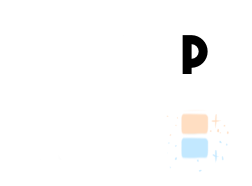
Fairytale Gene (Uncommon)
This trait grants the Dromedairy the Fairytale gene that works differently than most colouration traits.
In breedings, this can be passed down as either a dominant or recessive gene.
If a dromedairy has this gene as recessive, in order for offspring to obtain it the other parent must either have this gene as a dominant gene, or a recessive gene.
Cannot pass to offspring as a dominant gene if only one parent carries the recessive gene and has a 75% chance of becoming dominant if both parents have it as recessive if rolled in breeding.
The piebald markings of this gene sparkle and it includes the sparkles as part of the gene, meaning that the sparkle trait does not get listed on the Droma.
This Gene is incompatible with the Single-Placed Sparkle trait and Multi-Placed Sparkle trait.
Below shows the normal Colouration and how it would look if used in conjunction with the Inverted Gene

Asterose Gene (Uncommon)
This trait grants the Dromedairy the Asterose colour pallette.
If a dromedairy has this gene as recessive, in order for offspring to obtain it the other parent must either have this gene as a dominant gene, or a recessive gene.
Cannot pass to offspring as a dominant gene if only one parent carries the recessive gene and has a 75% chance of becoming dominant if both parents have it as recessive if rolled in a breeding.
Below shows the normal Colouration and how it would look if used in conjunction with the Inverted Gene

Dawnrose Gene (Rare)
This trait grants the Dromedairy the Dawnrose colour pallette.
In breedings, this can be passed down as either a dominant or recessive gene.
If a dromedairy has this gene as recessive, in order for offspring to obtain it the other parent must either have this gene as a dominant gene, or a recessive gene.
Cannot pass to offspring as a dominant gene if only one parent carries the recessive gene and has a 50% chance of becoming dominant if both parents have it as recessive if rolled in a breeding.
The accent markings of this gene sparkle and it includes the sparkles as part of the gene, meaning that the sparkle trait does not get listed on the Droma.
This Gene is incompatible with the Single-Placed Sparkle trait and Multi-Placed Sparkle trait.
Below shows the normal Colouration and how it would look if used in conjunction with the Inverted Gene

Echeveria Gene (Uncommon)
This trait grants the Dromedairy the Echeveria colour pallette.
This gene originated from the 2023 Staff Batch.
If a dromedairy has this gene as recessive, in order for offspring to obtain it the other parent must either have this gene as a dominant gene, or a recessive gene.
Cannot pass to offspring as a dominant gene if only one parent carries the recessive gene and has a 75% chance of becoming dominant if both parents have it as recessive if rolled in a breeding.
Below shows the normal Colouration and how it would look if used in conjunction with the Inverted Gene

Butterfly Gene (Uncommon)
This trait grants the Dromedairy the Butterfly colour pallette.
If a dromedairy has this gene as recessive, in order for offspring to obtain it the other parent must either have this gene as a dominant gene, or a recessive gene.
Cannot pass to offspring as a dominant gene if only one parent carries the recessive gene and has a 75% chance of becoming dominant if both parents have it as recessive if rolled in a breeding.
Below shows the normal Colouration and how it would look if used in conjunction with the Inverted Gene
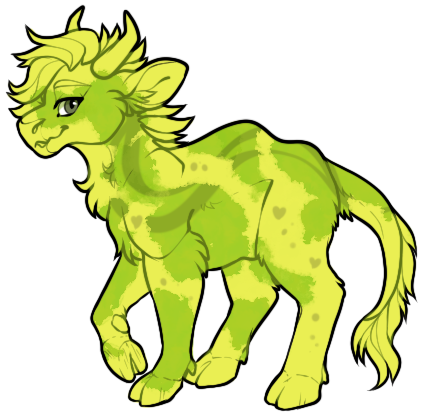
Chimeric Gene (Rare)
Chimeric Gene allows for a Dromedairy to have two dominant colouration palettes actives at the same time.
You cannot mix and match the colours with one another.
Instead, the colourations should be treated like piebald, with one being on top of the other with gaps to show the pallette underneath.
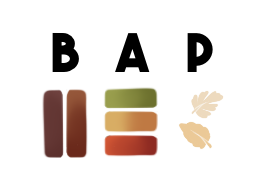
Autumnal Gene (Rare)
This trait grants the Dromedairy the Autumnal colour pallette.
In breedings, this can be passed down as either a dominant or recessive gene.
All Piebald must be drawn in leaf-shapes only. The leaf shape must resemble the one used on the colour. You cannot swap leaf shapes with different piebald colours
Click here for an example.
If a dromedairy has this gene as recessive, in order for offspring to obtain it the other parent must either have this gene as a dominant gene, or a recessive gene.
Cannot pass to offspring as a dominant gene if only one parent carries the recessive gene and has a 50% chance of becoming dominant if both parents have it as recessive if rolled in a breeding
Below shows the normal Colouration and how it would look if used in conjunction with the Inverted Gene


Swamp Gene (Uncommon)
This trait grants the Dromedairy the Swamp colour pallette.
If a dromedairy has this gene as recessive, in order for offspring to obtain it the other parent must either have this gene as a dominant gene or a recessive gene.
Cannot pass to offspring as a dominant gene if only one parent carries the recessive gene.
If both parents have it as recessive gene, it has a 75% chance of becoming dominant if rolled in a breeding.
Below shows the normal Colouration and how it would look if used in conjunction with the Inverted Gene
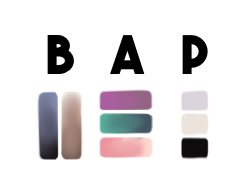
Mist Gene (Uncommon)
This trait grants the Dromedairy the Mist colour pallette.
If a dromedairy has this gene as recessive, in order for offspring to obtain it the other parent must either have this gene as a dominant gene or a recessive gene.
Cannot pass to offspring as a dominant gene if only one parent carries the recessive gene.
If both parents have it as recessive gene, it has a 75% chance of becoming dominant if rolled in a breeding.
Below shows the normal Colouration and how it would look if used in conjunction with the Inverted Gene
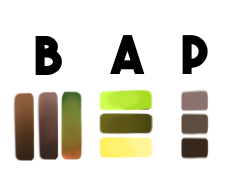
Overgrowth Gene (Uncommon)
This trait grants the Dromedairy the Overgrowth colour pallette.
If a dromedairy has this gene as recessive, in order for offspring to obtain it the other parent must either have this gene as a dominant gene or a recessive gene.
Cannot pass to offspring as a dominant gene if only one parent carries the recessive gene.
If both parents have it as recessive gene, it has a 75% chance of becoming dominant if rolled in a breeding.
Below shows the normal Colouration and how it would look if used in conjunction with the Inverted Gene

Thunder Plain Gene (Uncommon)
This trait grants the Dromedairy the Thunder Plain colour pallette.
If a dromedairy has this gene as recessive, in order for offspring to obtain it the other parent must either have this gene as a dominant gene or a recessive gene.
Cannot pass to offspring as a dominant gene if only one parent carries the recessive gene.
If both parents have it as recessive gene, it has a 25% chance of becoming dominant if rolled in a breeding.
Below shows the normal Colouration and how it would look if used in conjunction with the Inverted Gene

Highland Gene (Rare)
This trait grants the Dromedairy the Highland colour pallette.
If a dromedairy has this gene as recessive, in order for offspring to obtain it the other parent must either have this gene as a dominant gene or a recessive gene.
Cannot pass to offspring as a dominant gene if only one parent carries the recessive gene.
If both parents have it as recessive gene, it has a 50% chance of becoming dominant if rolled in a breeding.
Below shows the normal Colouration and how it would look if used in conjunction with the Inverted Gene

Beach Gene (Rare)
This trait grants the Dromedairy the Beach colour pallette.
If a dromedairy has this gene as recessive, in order for offspring to obtain it the other parent must either have this gene as a dominant gene or a recessive gene.
Cannot pass to offspring as a dominant gene if only one parent carries the recessive gene.
If both parents have it as recessive gene, it has a 50% chance of becoming dominant if rolled in a breeding.
Below shows the normal Colouration and how it would look if used in conjunction with the Inverted Gene

Grassland Gene (Common)
This trait grants the Dromedairy the Grassland colour pallette.
This gene cannot be recessive.
Below shows the normal Colouration and how it would look if used in conjunction with the Inverted Gene
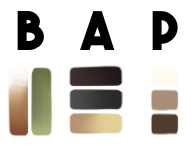
Plains Gene (Common)
This trait grants the Dromedairy the Plains colour pallette.
This gene cannot be recessive.
Below shows the normal Colouration and how it would look if used in conjunction with the Inverted Gene