
Traits

Highland Gene (Rare)
This trait grants the Dromedairy the Highland colour pallette.
If a dromedairy has this gene as recessive, in order for offspring to obtain it the other parent must either have this gene as a dominant gene or a recessive gene.
Cannot pass to offspring as a dominant gene if only one parent carries the recessive gene.
If both parents have it as recessive gene, it has a 50% chance of becoming dominant if rolled in a breeding.
Below shows the normal Colouration and how it would look if used in conjunction with the Inverted Gene

Thunder Plain Gene (Uncommon)
This trait grants the Dromedairy the Thunder Plain colour pallette.
If a dromedairy has this gene as recessive, in order for offspring to obtain it the other parent must either have this gene as a dominant gene or a recessive gene.
Cannot pass to offspring as a dominant gene if only one parent carries the recessive gene.
If both parents have it as recessive gene, it has a 25% chance of becoming dominant if rolled in a breeding.
Below shows the normal Colouration and how it would look if used in conjunction with the Inverted Gene
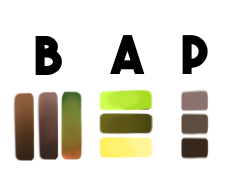
Overgrowth Gene (Uncommon)
This trait grants the Dromedairy the Overgrowth colour pallette.
If a dromedairy has this gene as recessive, in order for offspring to obtain it the other parent must either have this gene as a dominant gene or a recessive gene.
Cannot pass to offspring as a dominant gene if only one parent carries the recessive gene.
If both parents have it as recessive gene, it has a 75% chance of becoming dominant if rolled in a breeding.
Below shows the normal Colouration and how it would look if used in conjunction with the Inverted Gene
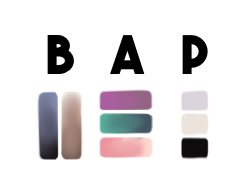
Mist Gene (Uncommon)
This trait grants the Dromedairy the Mist colour pallette.
If a dromedairy has this gene as recessive, in order for offspring to obtain it the other parent must either have this gene as a dominant gene or a recessive gene.
Cannot pass to offspring as a dominant gene if only one parent carries the recessive gene.
If both parents have it as recessive gene, it has a 75% chance of becoming dominant if rolled in a breeding.
Below shows the normal Colouration and how it would look if used in conjunction with the Inverted Gene

Fae Gene (Uncommon)
This trait grants the Dromedairy the Fae colour pallette.
If a dromedairy has this gene as recessive, in order for offspring to obtain it the other parent must either have this gene as a dominant gene or a recessive gene.
Cannot pass to offspring as a dominant gene if only one parent carries the recessive gene.
If both parents have it as recessive gene, it has a 75% chance of becoming dominant if rolled in a breeding.
Below shows the normal Colouration and how it would look if used in conjunction with the Inverted Gene

Yeti Gene (Uncommon)
This trait grants the Dromedairy the Yeti colour pallette.
If a dromedairy has this gene as recessive, in order for offspring to obtain it the other parent must either have this gene as a dominant gene or a recessive gene.
Cannot pass to offspring as a dominant gene if only one parent carries the recessive gene.
If both parents have it as recessive gene, it has a 75% chance of becoming dominant if rolled in a breeding.
Below shows the normal Colouration and how it would look if used in conjunction with the Inverted Gene

Supernova Gene (Uncommon)
This trait grants the Dromedairy the Supernova colour pallette.
If a dromedairy has this gene as recessive, in order for offspring to obtain it the other parent must either have this gene as a dominant gene or a recessive gene.
Cannot pass to offspring as a dominant gene if only one parent carries the recessive gene.
If both parents have it as recessive gene, it has a 75% chance of becoming dominant if rolled in a breeding.
Below shows the normal Colouration and how it would look if used in conjunction with the Inverted Gene

Pancake Gene (Uncommon)
This trait grants the Dromedairy the Pancake colour pallette.
If a dromedairy has this gene as recessive, in order for offspring to obtain it the other parent must either have this gene as a dominant gene or a recessive gene.
Cannot pass to offspring as a dominant gene if only one parent carries the recessive gene.
If both parents have it as recessive gene, it has a 75% chance of becoming dominant if rolled in a breeding.
Below shows the normal Colouration and how it would look if used in conjunction with theInverted Gene

Geode Gene (Uncommon)
This trait grants the Dromedairy the Geode colour pallette.
If a dromedairy has this gene as recessive, in order for offspring to obtain it the other parent must either have this gene as a dominant gene or a recessive gene.
Cannot pass to offspring as a dominant gene if only one parent carries the recessive gene.
If both parents have it as recessive gene, it has a 75% chance of becoming dominant if rolled in a breeding.
Below shows the normal Colouration and how it would look if used in conjunction with theInverted Gene

Inverted Gene (Rare)
Inverted Gene allows for a Dromedairy to have any or all of their dominant genes inverted to the reverse of their usual colors.
If a gene is inverted, every color must be inverted and it can not be a mix of standard & inverted colors.
For example; If you have Deciever Gene (BAP - Dominant) as the only gene on your Droma, you must invert the colors from all 3 sections of the gene. However, you cannot have just the B inverted but keep the standard A&P colors. It's an all or nothing per dominant gene.
However, if your Droma has multiple dominant genes, you may choose to only inverted one of them.
For example; If you have Grassland Default Gene (B&P - Dominant) and Infected Gene (A - Dominant), you can choose to only have the Grassland colors (the B&P ones) or the Infected colors (the A ones) inverted if you don't want it applied to all.
When using this trait, you MUST specify which Dominant genes on the Droma are inverted so it can be properly listed on the traits.
This trait is ONLY applicable to dominant genes on a Droma.
Below is an example of Plains Gene with standard on the left and the Inverted colors on the right. We will have all inverted versions shown in the descriptions of each gene soon to make things easier for everyone!
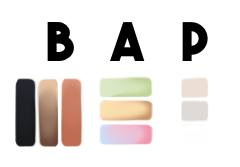
Lop Gene (Uncommon)
This trait grants the Dromedairy the Lop colour pallette.
If a dromedairy has this gene as recessive, in order for offspring to obtain it the other parent must either have this gene as a dominant gene or a recessive gene.
Cannot pass to offspring as a dominant gene if only one parent carries the recessive gene.
If both parents have it as recessive gene, it has a 75% chance of becoming dominant if rolled in a breeding.
Below shows the normal Colouration and how it would look if used in conjunction with theInverted Gene

Cosmic Gene (Uncommon)
This trait grants the Dromedairy the Cosmic colour pallette.
The top option for Piebald has white star marks throughout it, resembling the night sky.
If a dromedairy has this gene as recessive, in order for offspring to obtain it the other parent must either have this gene as a dominant gene or a recessive gene.
Cannot pass to offspring as a dominant gene if only one parent carries the recessive gene.
If both parents have it as recessive gene, it has a 75% chance of becoming dominant if rolled in a breeding.
Below shows the normal Colouration and how it would look if used in conjunction with theInverted Gene

Abyssal Gene (Uncommon)
This trait grants the Dromedairy the Abyssal colour pallette.
If a dromedairy has this gene as recessive, in order for offspring to obtain it the other parent must either have this gene as a dominant gene or a recessive gene.
Cannot pass to offspring as a dominant gene if only one parent carries the recessive gene.
If both parents have it as recessive gene, it has a 75% chance of becoming dominant if rolled in a breeding.
Below shows the normal Colouration and how it would look if used in conjunction with theInverted Gene

Manadrome Gene (Inturos)
This gene is only applicable to Dromas with the Manadrome trait.
This gene is not compatible with the Inverted Gene.
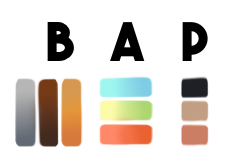
Velveteen Gene (Uncommon)
This trait grants the Dromedairy the Velveteen colour pallette.
This gene is only guaranteed from single-parent breeding of a Lop Dromedairy.
If a dromedairy has this gene as recessive, in order for offspring to obtain it the other parent must either have this gene as a dominant gene, or a recessive gene.
Cannot pass to offspring as a dominant gene if only one parent carries the recessive gene and has a 75% chance of becoming dominant if both parents have it as recessive if rolled in a breeding.
Below shows the normal Colouration and how it would look if used in conjunction with theInverted Gene
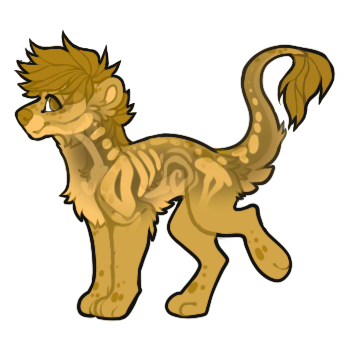
Transparent (Mythic)
Those with this trait can be partially or fully transparent.
Their bone structure must be visible through the transparent part of their body regardless of how long their fur is (visible organ positions are OPTIONAL).
If the Solarian is FULLY transparent, you must show what their pelt pattern would be if they weren't transparent for the sake of breeding, otherwise they will be listed as non-breedable until a visual reference is approved.
Dromedairies must not have this as part of their subtype for it to be considered Mythical.
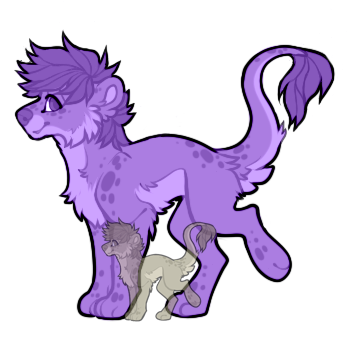
Giant (Legendary)
Solarians with this trait are larger than average size.
They would be the size of the LARGER purple silhouette on the image below. 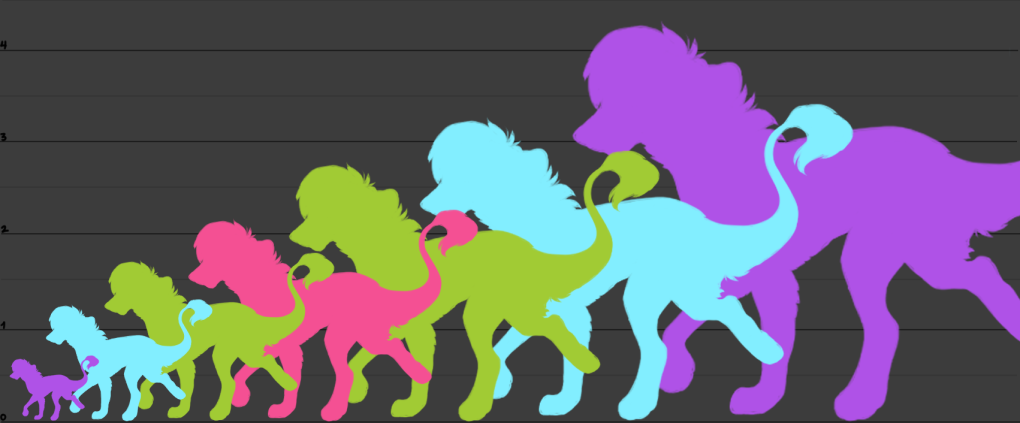
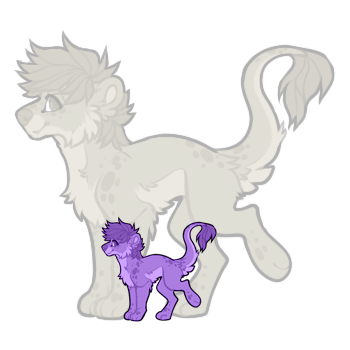
Tiny (Legendary)
Solarians with this trait are smaller than average size.
They would be the size of the SMALLER purple silhouette on the image below.
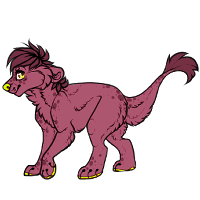
Youngling (Common)
Solarians with this trait are younger than most of the adventurers seen around.
They are depicted as children on their official ref in the masterlist.
They CAN participate in the ARPG after completing a Feather Trial like any other Kia or Droma.
However, they can NOT be bred unless 'grown up' by transferring them onto the adult/main lines, at which point they will lose this trait.
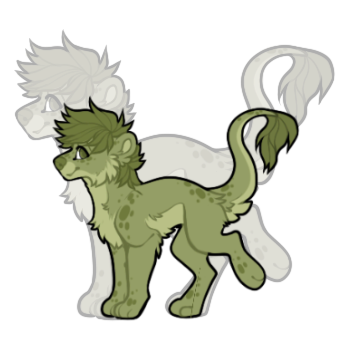
Smaller Size (Rare)
Solarians with this trait are smaller than average size.
They would be the size of the SMALLER green silhouette on the image below.