
Traits
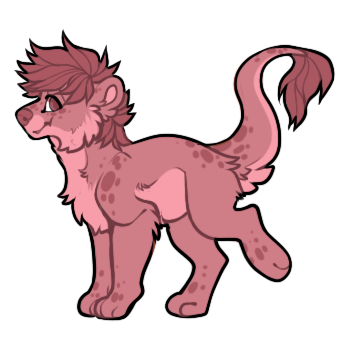
Build Variant (Common)
Solarians come in all sorts of shapes and sizes. The Build Variant trait shows that Solarians can be slender, chubbier, muscular, or anywhere in between!
This trait is attached to Solarians with weight edits so that it can be kept into consideration when breeding/updating line transfers.
Solarians with this trait attached to their trait list will have it listed with the type of build they are:
- Build Variant (Slender)
- Build Variant (Chubbier)
- Build Variant (Muscular)
NOTE: Dromedairies with this trait can have the humps on their back slightly taller/shorter as part of their buld variant but the humps must still be visible as all Dromas must back humps.
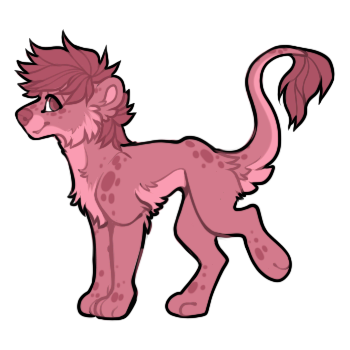
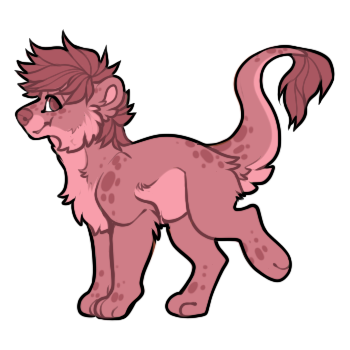
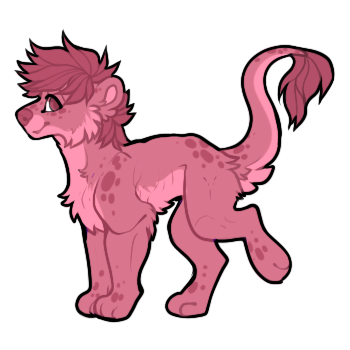
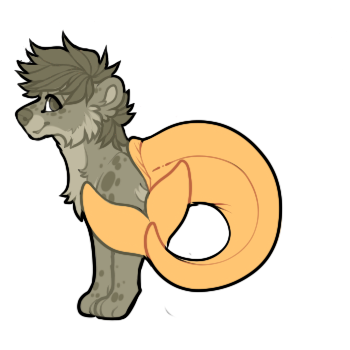
Mermaid (Mythic)
Those with this trait have the body of a fish that is joined at their hips.
Dromedairies must not have this as part of their subtype for it to be considered Mythical
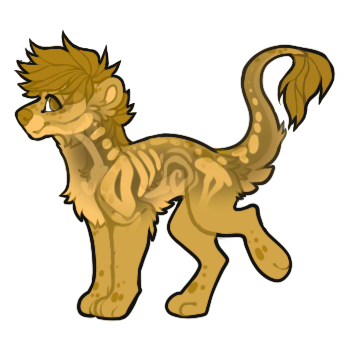
Transparent (Mythic)
Those with this trait can be partially or fully transparent.
Their bone structure must be visible through the transparent part of their body regardless of how long their fur is (visible organ positions are OPTIONAL).
If the Solarian is FULLY transparent, you must show what their pelt pattern would be if they weren't transparent for the sake of breeding, otherwise they will be listed as non-breedable until a visual reference is approved.
Dromedairies must not have this as part of their subtype for it to be considered Mythical.
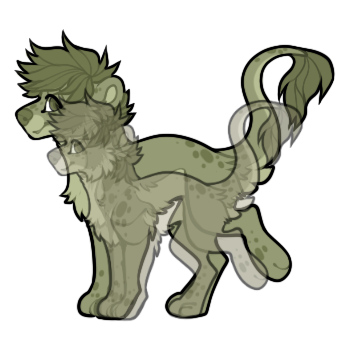
Larger Size (Rare)
Solarians with this trait are larger than average size.
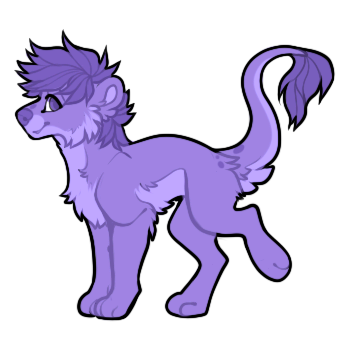
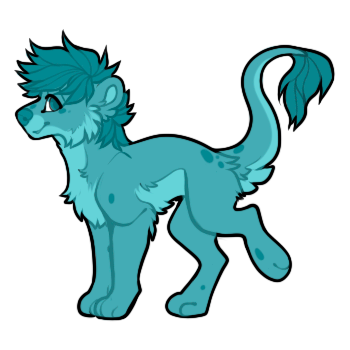
They would be the size of the LARGER green silhouette on the image below. 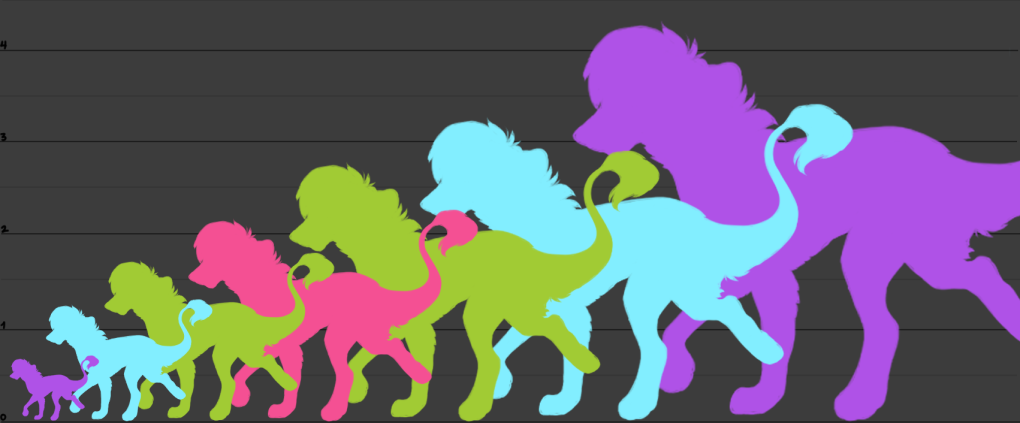
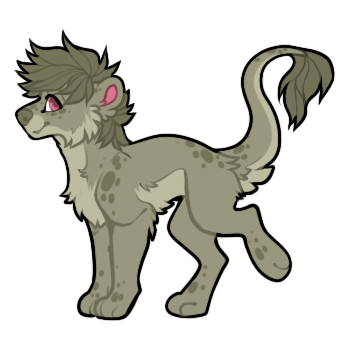
Physical Ailment (Common)
This character has a physical ailment or disability, such as blindness or deafness.
We have included this trait to help our artists if a character has an ailment that affects their appearance (For example, being blind in one eye from a scar that causes the eye to be a different colour to the other, since this could be confused for heterochromia)
These must be portrayed respectfully and not used for aesthetic reasons.
These traits can pass in breedings, but only at the request of the character's owner if they wish to have the offspring inherit the physical ailment or disability.
They will not be rolled by a breeding artist.
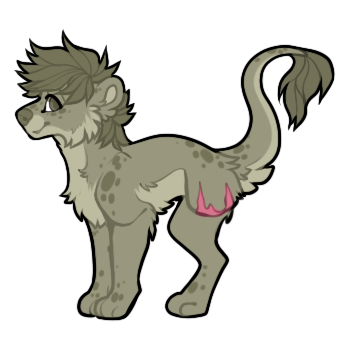
Amputated Limb (Common)
Characters with this trait have one or more limbs missing. This can be either any one of their legs or their tail.
They cannot pass in breedings due to it being non-genetic nor can they be gained as a mutation via breedings.
For ailments that can be passed in breedings, please refer to the Physical Ailments trait.
NOTE: Amputations must be used respectably and thus cannot be used to change the limb for aesthetic reasons.
For example; amputating the tail tip of a Kiamara to make it appear as a different trait, such as a non-tapered tail would not be permitted.
If you wish to apply an amputation to a Kiamara, you may do so with a reason as to why they are obtaining this amputation.
Amputations must have visible scarring to help further differentiate them from them.
Whilst these sorts of edits may be acceptable due to the reason they are obtaining them, we have included these as potentially unacceptable as they may be used disrespectfully to bypass a trait, which amputated limbs should not be used to do. These edits potentially resemble higher-traited edits.


Scars (Common)
Solarians with this trait have scars present on their body.
Cannot pass in breedings due to it being non-genetic.
These can be present anywhere on a character's body, however, they must be healed.
Non-healed scars are not permitted.
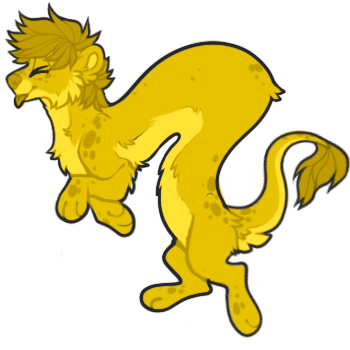
Super Noodle (Mythic)
Those with this trait have incredibly long bodies and/or necks that have no limit to how long they can be, akin to that of an Eastern Dragon.
Kiamaras with this trait cannot have their tails affected and can only be longer in length if the Kiamara has the Tail Length Variant trait.
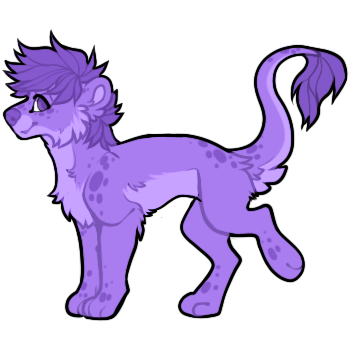
Noodle (Legendary)
Solarians with this trait have longer bodies than average, giving them a more Dachshund appearance. This trait can also apply to the neck, allowing them to have slightly longer necks than average.
These Solarian do not have shorter legs unless used in conjunction with either the Shorter Leg or Munchkin traits.
The exact length can be judged based on the guides on the official lineset PSDs.
Long-Legged (Very Rare)
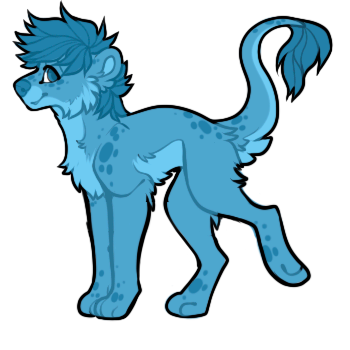
Solarians with this trait have longer legs than average, more akin to Maned Wolves.
The length of the leg is measured by the ankle placement.

Short-Legged (Very Rare)
Solarians with this trait have very short legs, akin to those of a Corgi or Munchkin Cat.
The length of the leg is measured by the ankle placement.
Very Small (Very Rare)
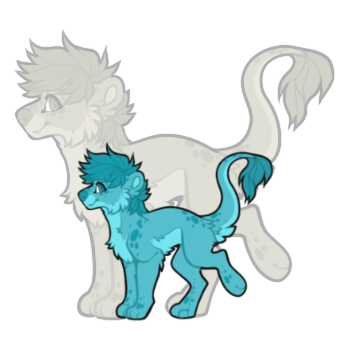
Solarians with this trait are smaller than average size.
They would be the size of the SMALLER blue silhouette on the image below.
Very Large (Very Rare)
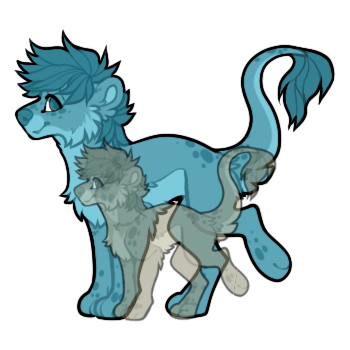
Solarians with this trait are larger than average size.
They would be the size of the LARGER blue silhouette on the image below.
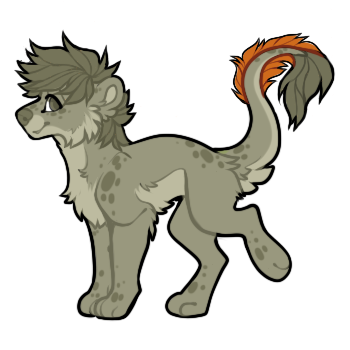
Longer Mane - Down Tail (Uncommon)
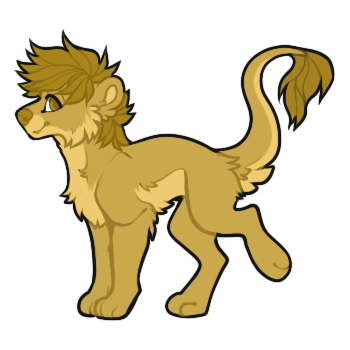
Solarians with this trait have a longer mane that extends for more than halfway down their tail (either on top, underneath, or both) but does not reach their rump.
This mane can have sections missing.
This can be used in conjunction with Hair Length traits.
Cannot be inverted (meaning it cannot start at the rump).
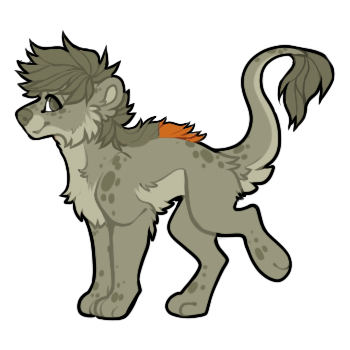
Longer Mane - Down Back (Uncommon)
Solarians with this trait have a longer mane that extends for more than half way down their back, but does not reach their rump.
This mane can have sections missing.
This can be used in conjunction with Hair Length traits.
Cannot be inverted (meaning it cannot start at the rump).
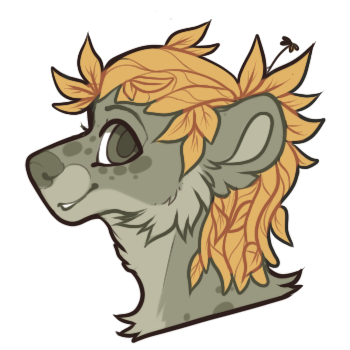
Flora Hair (Mythic)
Those with this trait have hair made of plant matter (such as flowers, moss, leaves, vines, etc)
This can affect either the head, tail tuft, or both.
This hair can be used in conjunction with any Hair Length traits.
Dromedairies must not have this as part of their subtype for it to be considered Mythical
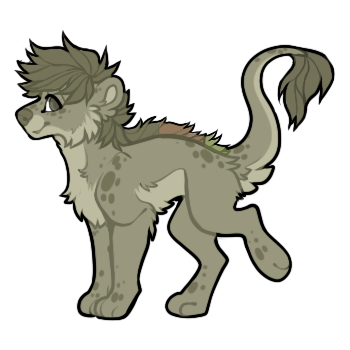
Head-To-Rump Mane (Rare)
Solarians with this trait have a longer mane that extends from their head all the way to their rump.
This mane can have sections missing.
This can be used in conjunction with Hair Length traits.
Cannot be used in conjunction with the Tail-To-Rump Mane trait.
Cannot be inverted.