
Traits
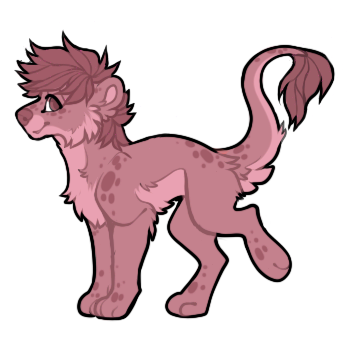
All Common Traits (Common)
This Kiamara has all common traits!
These traits can include:
- Small rounded or pointed ears.
- Short hair
- 10 or more spots
- Snaggleteeth
- Retractable or Showing Claws
- Different Tongue Shapes
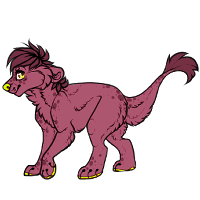
Youngling (Common)
Solarians with this trait are younger than most of the adventurer's seen around.
They are depicted as children on their official ref in the masterlist.
They CAN participate in the ARPG after completing a Feather Trial like any other Kia or Droma.
However, they can NOT be breed unless 'grown up' by transferring them onto the adult/main lines, at which point they will lose this trait.

Grassland Default Gene (Common)
This gene is only guaranteed to Dromas of the Grassland subtype.
If a dromedairy has this gene as recessive, in order for offspring to obtain it the other parent must either have this gene as a dominant gene or a recessive gene.
Cannot pass to offspring as a dominant gene if only one parent carries the recessive gene.
If both parents have it as recessive gene, it has a 75% chance of becoming dominant if rolled in a breeding.
Note: This gene cannot be obtained using camilks.

Sand Default Gene (Common)
This gene is only guaranteed to Dromas of the Sand subtype.
If a dromedairy has this gene as recessive, in order for offspring to obtain it the other parent must either have this gene as a dominant gene or a recessive gene.
Cannot pass to offspring as a dominant gene if only one parent carries the recessive gene.
If both parents have it as recessive gene, it has a 75% chance of becoming dominant if rolled in a breeding.
Note: This gene cannot be obtained using camilks.
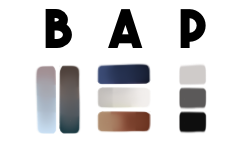
Tundra Gene (Common)
This trait grants the Dromedairy the Tundra colour pallette.
This gene is only guaranteed from single-parent breeding of a Grassland Dromedairy.
If a dromedairy has this gene as recessive, in order for offspring to obtain it the other parent must either have this gene as a dominant gene, or a recessive gene.
Cannot pass to offspring as a dominant gene if only one parent carries the recessive gene and has a 75% chance of becoming dominant if both parents have it as recessive if rolled in a breeding.
Note: This gene cannot be obtained via camilks or mutations.

Tropical Gene (Common)
This trait grants the Dromedairy the Tropical colour pallette.
This gene is only guaranteed from single-parent breeding of a Sand Dromedairy.
If a dromedairy has this gene as recessive, in order for offspring to obtain it the other parent must either have this gene as a dominant gene, or a recessive gene.
Cannot pass to offspring as a dominant gene if only one parent carries the recessive gene and has a 75% chance of becoming dominant if both parents have it as recessive if rolled in a breeding.
Note: This gene cannot be obtained via camilks or mutations.
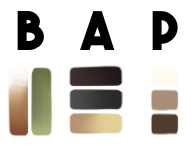
Plains Default Gene (Common)
This gene is only guaranteed to Dromas of the Plains subtype.
If a dromedairy has this gene as recessive, in order for offspring to obtain it the other parent must either have this gene as a dominant gene or a recessive gene.
Cannot pass to offspring as a dominant gene if only one parent carries the recessive gene.
If both parents have it as recessive gene, it has a 75% chance of becoming dominant if rolled in a breeding.
Note: This gene cannot be obtained using camilks.
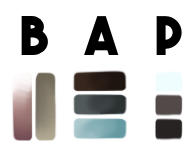
Acre Gene (Common)
This trait grants the Dromedairy the Acre colour pallette.
This gene is only guaranteed from single-parent breeding of a Plains Dromedairy.
If a dromedairy has this gene as recessive, in order for offspring to obtain it the other parent must either have this gene as a dominant gene, or a recessive gene.
Cannot pass to offspring as a dominant gene if only one parent carries the recessive gene and has a 75% chance of becoming dominant if both parents have it as recessive if rolled in a breeding.
Note: This gene cannot be obtained via camilks or mutations.

Scars (Common)
Characters with this trait have scars present on their body.
Cannot pass in breedings due to it being non-genetic.
These can be present anywhere on a character's body, however, they must be healed.
Non-healed scars are not permitted.
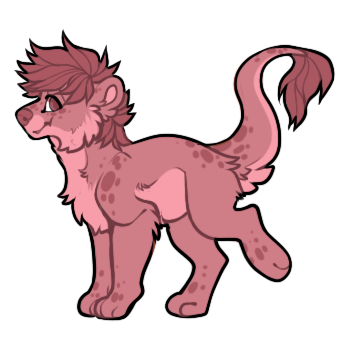
Build Variant (Common)
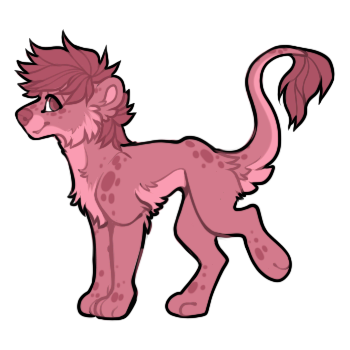
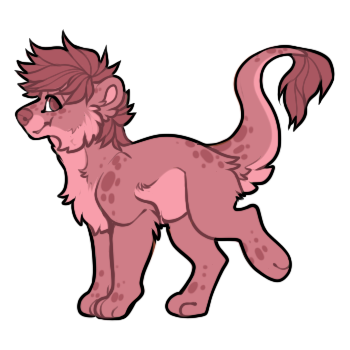
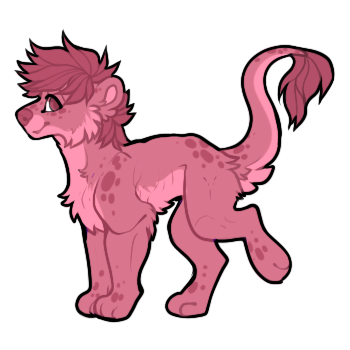
Kiamaras come in all sorts of shapes and sizes. The Build Variant trait shows that Kiamaras can be slender, chubbier, muscular, or anywhere in between!
This trait is attached to Kiamaras with weight edits so that it can be kept into consideration when breeding/updating line transfers.
Kiamaras with this trait attached to their trait list will have it listed with the type of build they are:
- Build Variant (Slender)
- Build Variant (Chubbier)
- Build Variant (Muscular)
Physical Ailment (Common)
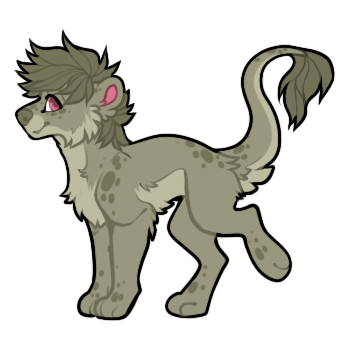
This character has a physical ailment or disability, such as blindness or deafness.
We have included this trait to help our artists if a character has an ailment that affects their appearance (For example, being blind in one eye from a scar that causes the eye to be a different colour to the other, since this could be confused for heterochromia)
These must be portrayed respectfully and not used for aesthetic reasons.
These traits can pass in breedings, but only at the request of the character's owner if they wish to have the offspring inherit the physical ailment or disability.
They will not be rolled by a breeding artist.
Amputated Limb (Common)
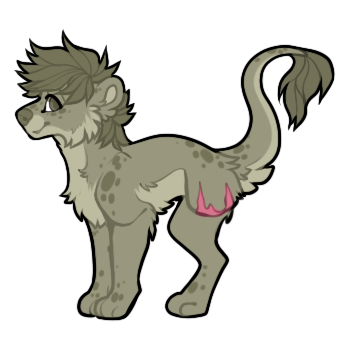
Characters with this trait have one or more limbs missing. This can be either any one of their legs or their tail.
They cannot pass in breedings due to it being non-genetic nor can they be gained as a mutation via breedings.
For ailments that can be passed in breedings, please refer to the Physical Ailments trait.
NOTE: Amputations must be used respectably and thus cannot be used to change the limb for aesthetic reasons.
For example; amputating the tail tip of a Kiamara to make it appear as a different trait, such as a non-tapered tail would not be permitted.
If you wish to apply an amputation to a Kiamara, you may do so with a reason as to why they are obtaining this amputation.
Amputations must have visible scarring to help further differentiate them from them.
Whilst these sorts of edits may be acceptable due to the reason they are obtaining them, we have included these as potentially unacceptable as they may be used disrespectfully to bypass a trait, which amputated limbs should not be used to do. These edits potentially resemble higher-traited edits.


Shorter Hair (Common)
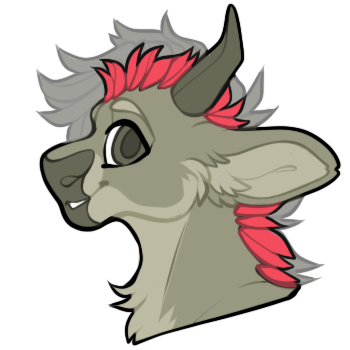
Dromedairies with this trait have shorter hair than those of the same subtype.
Regular Sized (Common)
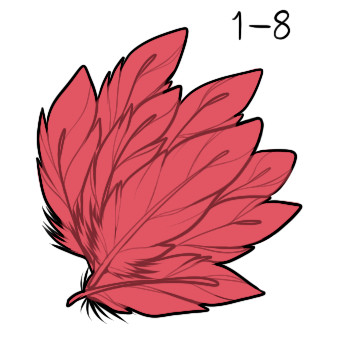
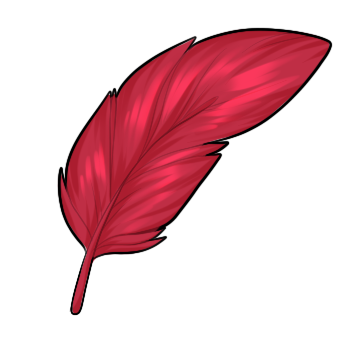
Common feathers tend to be the size of your average feather in size and can be any colour imaginable.
Regular Placement (Common)
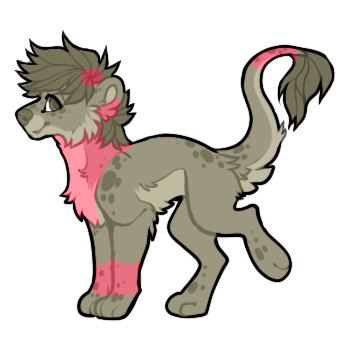
Feathers can commonly be placed on the ears, behind the ear on top of the head, on the neck, front wrists, or tail.
Pointed/Rounded Ears (Common)
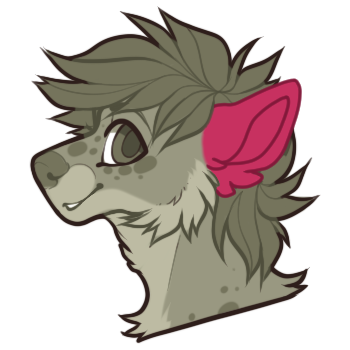
Kiamaras with this trait have ears that are standard rounded or pointed.
Sometimes, these ears can resemble other animals, including but not limited to; cat, dog, fox, horse, bunny, etc
This trait only applies to the shape and any size, fluffier, flopped, etc, types of ears will need to be used in conjunction with the appropriate traits.
Can be used in conjunction with size traits.
This trait is not required to be listed on a character unless obtained as a mutation in a breeding.
These are examples are to show common shape only, not size.


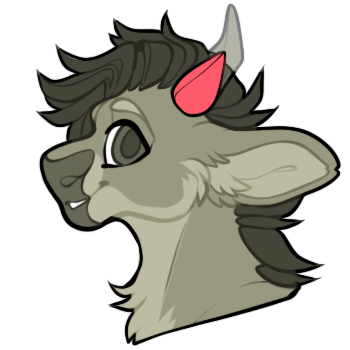
Shorter Horns (Common)
Dromedairies that have this trait have shorter horns than those of its subtype.
The shape must remain the same as those of its subtype.
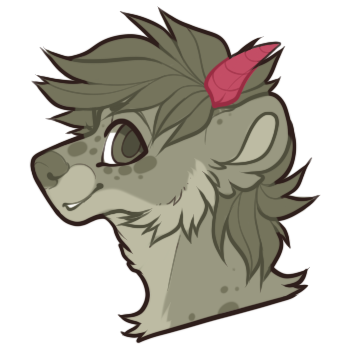
Regular Horns (Common)
Kiamaras with this trait have common length horns.
These horns can be any shape as long as they do not get confused with another horn trait.
Horns should not be shaded in detail or to give them a shiny appearance unless they have either the Metalic or Crystal-like horn traits to better represent those traits.
Kiamaras with this trait attached to their trait list will have it listed with the shape of horns they have:
- Regular Horns (Ram)
- Regular Horns (Moon)
- Regular Horns (Straight)
Whilst we love to see the variety of unique horn types the community can create, to ensure that horns do not get mistaken for other rarity traits we have put together some declinable examples to help you when you make your horns for your Kiamara.


The shape is too detailed and looks more like the Living Horns trait

The shape is less detailed and looks more antler-like.

The shading makes these look too much like the Crystal-like horn trait.

The shading no longer resembles the Crystal-like horn trait


