
Traits
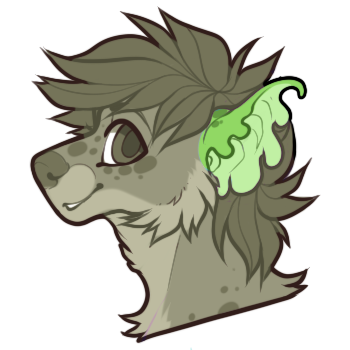
Shaped Ears (Rare)
Solarians with this trait have ears that do not fit within the standard rounded or pointed ears.
This includes but is not limited to; Ears with extra long/curled tips, wavy ears, ears shaped like wings, ears with jagged curves
This trait only applies to the shape and any size, fluffier, flopped, etc, types of ears will need to be used in conjunction with the appropriate traits.
These can be any shape desired and can even be asymmetrical if you wish.
Can be used in conjunction with size traits.
These are examples of Shaped Ears that would be accepted


While the last two examples are more on the fence, they would still be considered shaped ears for the subtle curves on the first and the elongated ear tip that droops on the second.

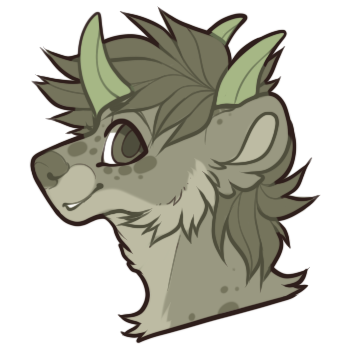
Tri-Horns (Rare)
Solarians with this trait have a total of 3 horns.
These can be present anywhere on the head, unless used with either the Facial Horns or Body Horns traits, and do not have to be symmetrical.
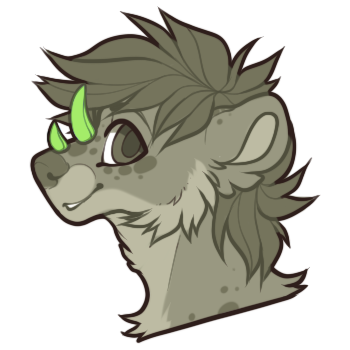
Facial Horns (Rare)
Solarians with this trait has horns growing on their face rather than their head, though some have both. These can be present anywhere on the nose, cheeks, or chin and do not have to be symmetrical.
Can be used in conjunction with Horn Size traits.
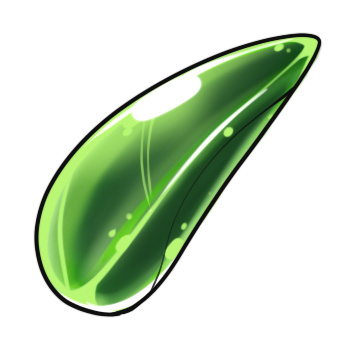
Metal Horns (Rare)
Solarians with this trait have horns made of metal or metal alloy.
These can be any colour and should be reflective.
Metal horns cannot have any sparkles unless in conjunction with a Sparkle trait.
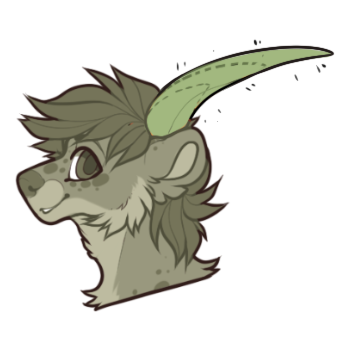
Larger Horns (Rare)
Solarians with this trait have larger-than-average horns, or larger-than-average antennae should they have the Antennae Growths trait.
These horns are judged based on the size guides found with the lineset being used.
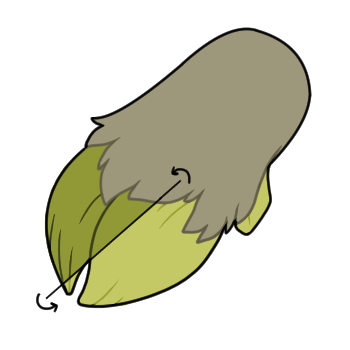
Colour Changing Hooves (Rare)
Dromedairies with this trait have hooves that can change colour at will.
This can be a different shade or an entirely new colour but they must be a colour found within the Droma's dominant genes. There is no limit on how many different colours the paw pads can change into with this trait.
Dromedairies with either a Major or Minor power can have the Colour Changing Hooves trait as part of their power, however, it can only be seen when their powers are in use and will not be passed in breedings.
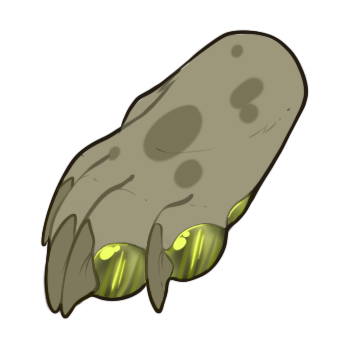
Metal Paw Pads (Rare)
Kiamaras with this trait have paw pads made of metal.
These can be any colour and should be shiny.
These cannot have any sparkle unless used in conjunction with a Sparkle trait.
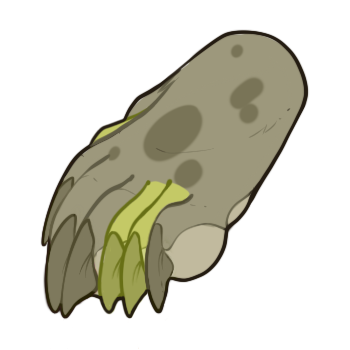
Major Polydactyl (Rare)
Kiamaras with this trait have 3 to 4 extra toes per paw!
Metal Hooves (Rare)
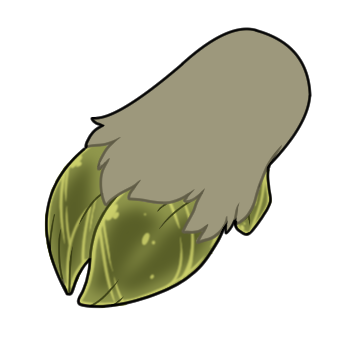
Dromedairies with this trait have hooves made of metal.
These should be shiny.
These cannot have any sparkle unless used in conjunction with a Sparkle trait.
Colour Changing Paw Pads (Rare)
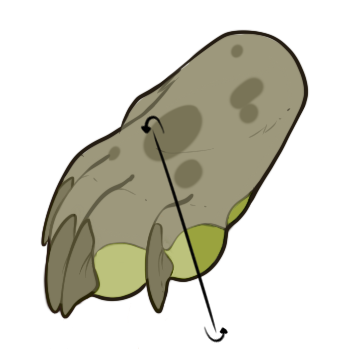
Kiamaras with this trait have paw pads that can change colour at will.
This can be a different shade or an entirely new colour. There is no limit on how many different colours the paw pads can change into with this trait.
Kiamaras with either a Major or Minor power can have the Colour Changing Paw Pads trait as part of their power, however, it can only be seen when their powers are in use and will not be passed in breedings.
Colour Changing Claws (Rare)
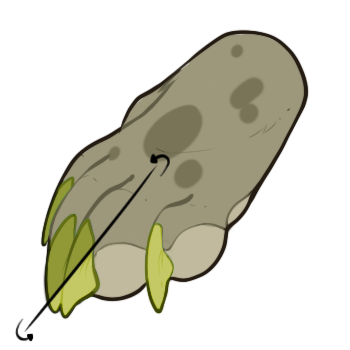
Kiamaras with this trait have claws that can change colour at will.
This can be a different shade or an entirely new colour. There is no limit on how many different colours the claws can change into with this trait.
Kiamaras with either a Major or Minor power can have the Colour Changing Claws trait as part of their power, however, it can only be seen when their powers are in use and will not be passed in breedings.
Metal Claws (Rare)
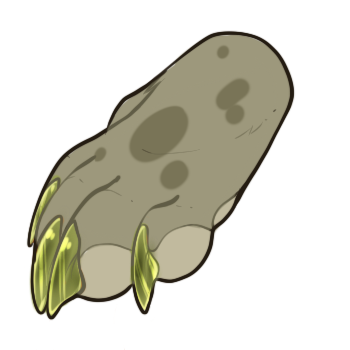
Kiamaras with this trait have claws made of a metal or metal alloy. These can be any colour.
These types of claws cannot have any sparkle or particles unless used in conjunction with a Sparkle trait.
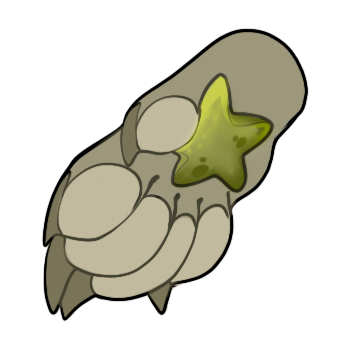
Shaped Paw Pads (Rare)
Kiamaras with this trait have paw pads that are a different shape than the average Kiamaras.
This can be any shape desired and can even effect the toe beans.
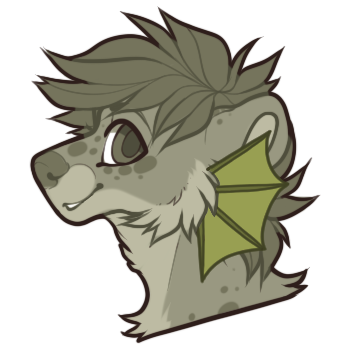
Frilled (Rare)
Solarians with this trait can have up to 4 small Frills/Crests on their face/head.
These Frills can be immovable OR retract/extend at will.
Ears must still be visible on the Solarian unless used in conjunction with the No Ears trait.
Cannot be used in conjunction with the Crested trait.
Must be able to fit inside the size box present on the offiical lineset PSDs.
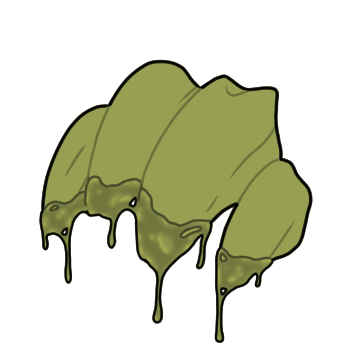
Oozing Teeth (Rare)
Solarians with this trait have teeth that seem to drip or ooze a liquid.
The liquid can be depicted as frozen.
The liquid can be a toxin/poison that can cause minor burning or temporary paralysis at most. The toxin/poison cannot be fatal.
This liquid cannot be made of blood or water and cannot glow or sparkle without using either the Glowing Teeth or Sparkle traits.
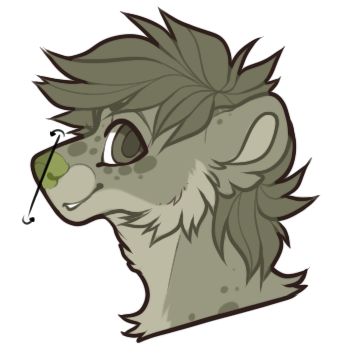
Colour Changing Nose (Rare)
Solarians with this trait have a nose that can change colour at will.
For Kiamaras, this can be a different shade or an entirely new colour.
For Dromedairies this can be a different shade or an entirely new colour but they must be a colour found within the Droma's dominant genes.
There is no limit on how many different colours the nose can change into with this trait.
Solarians with either a Major or Minor power can have the Colour Changing Nose trait as part of their power, however, it can only be seen when their powers are in use and will not be passed in breedings.
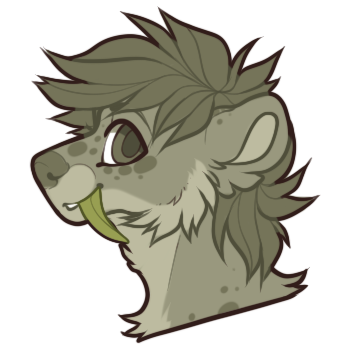
Larger Canines (Rare)
Solarians with this trait have tusks or fangs that reach past the bridge of the nose or the chin.
Fangs Must reach past the chin line.
Tusks Must reach the nose bridge.
Neither Fangs nor Tusks can be smaller than the chin line/nose bridge, however they can be any shape and there is no limit to how long they can be!
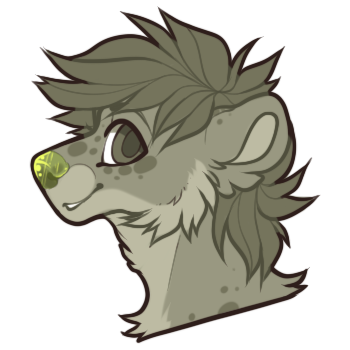
Metal Nose (Rare)
Solarians with this trait have a nose made of metal.
These can be any colour and should be shiny.
These cannot have any sparkle unless used in conjunction with a Sparkle trait.
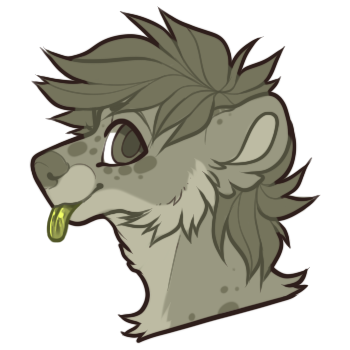
Metal Tongue (Rare)
Solarians with this trait have a tongue made of metal.
These can be any colour and should be shiny.
These cannot have any sparkle unless used in conjunction with a Sparkle trait.
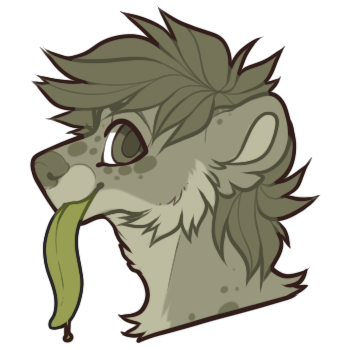
Long Tongue (Rare)
Solarians with this trait have long tongues compared to average.