
Traits
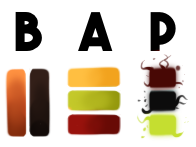
Infected Gene (Uncommon)
This trait grants the Dromedairy the Infected colour pallette.
This gene is only guaranteed from single-parent breeding of a Parasitic Dromedairy.
All Piebald colours glow, have tendril-like whisps, and sparkle.
If a dromedairy has this gene as recessive, in order for offspring to obtain it the other parent must either have this gene as a dominant gene, or a recessive gene.
Cannot pass to offspring as a dominant gene if only one parent carries the recessive gene and has a 75% chance of becoming dominant if both parents have it as recessive if rolled in a breeding.
Note: This gene cannot be obtained via camilks or mutations.

Swamp Default Gene (Uncommon)
This gene is only guaranteed to Dromas of the Swamp subtype.
If a dromedairy has this gene as recessive, in order for offspring to obtain it the other parent must either have this gene as a dominant gene or a recessive gene.
Cannot pass to offspring as a dominant gene if only one parent carries the recessive gene.
If both parents have it as recessive gene, it has a 75% chance of becoming dominant if rolled in a breeding.
Note: This gene cannot be obtained using camilks.
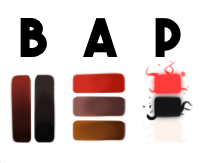
Parasitic Default Gene (Uncommon)
This gene is only guaranteed to Dromas of the Parasitic subtype.
All Piebald colours glow, have tendril-like whisps, and sparkle.
If a dromedairy has this gene as recessive, in order for offspring to obtain it the other parent must either have this gene as a dominant gene or a recessive gene.
Cannot pass to offspring as a dominant gene if only one parent carries the recessive gene.
If both parents have it as recessive gene, it has a 75% chance of becoming dominant if rolled in a breeding.
Note: This gene cannot be obtained using camilks.

Fungal Default Gene (Uncommon)
This gene is only guaranteed to Dromas of the Fungal subtype.
All Accent colours glow.
If a dromedairy has this gene as recessive, in order for offspring to obtain it the other parent must either have this gene as a dominant gene or a recessive gene.
Cannot pass to offspring as a dominant gene if only one parent carries the recessive gene.
If both parents have it as recessive gene, it has a 75% chance of becoming dominant if rolled in a breeding.
Note: This gene cannot be obtained using camilks.

Brine Gene (Uncommon)
This trait grants the Dromedairy the Brine colour pallette.
This gene is only guaranteed from single-parent breeding of a Swamp Dromedairy.
If a dromedairy has this gene as recessive, in order for offspring to obtain it the other parent must either have this gene as a dominant gene, or a recessive gene.
Cannot pass to offspring as a dominant gene if only one parent carries the recessive gene and has a 75% chance of becoming dominant if both parents have it as recessive if rolled in a breeding.
Note: This gene cannot be obtained via camilks or mutations.
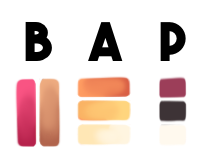
Sun Cookie Gene (Uncommon)
This trait grants the Dromedairy the Sun Cookie colour pallette.
In breedings, this can be passed down as either a dominant or recessive gene.
If a dromedairy has this gene as recessive, in order for offspring to obtain it the other parent must either have this gene as a dominant gene, or a recessive gene.
Cannot pass to offspring as a dominant gene if only one parent carries the recessive gene and has a 75% chance of becoming dominant if both parents have it as recessive if rolled in a breeding.
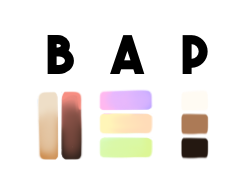
Estertide Gene (Uncommon)
This trait grants the Dromedairy the Estertide colour pallette.
In breedings, this can be passed down as either a dominant or recessive gene.
If a dromedairy has this gene as recessive, in order for offspring to obtain it the other parent must either have this gene as a dominant gene, or a recessive gene.
Cannot pass to offspring as a dominant gene if only one parent carries the recessive gene and has a 75% chance of becoming dominant if both parents have it as recessive if rolled in a breeding.
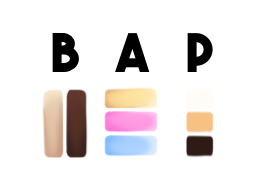
Treat Gene (Uncommon)
In breedings, this can be passed down as either a dominant or recessive gene.
If a dromedairy has this gene as recessive, in order for offspring to obtain it the other parent must either have this gene as a dominant gene, or a recessive gene.
Cannot pass to offspring as a dominant gene if only one parent carries the recessive gene and has a 75% chance of becoming dominant if both parents have it as recessive if rolled in a breeding.
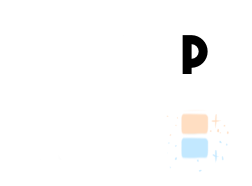
Fairytale Gene (Uncommon)
This trait grants the Dromedairy the Fairytale gene that works differently than most colouration traits.
In breedings, this can be passed down as either a dominant or recessive gene.
If a dromedairy has this gene as recessive, in order for offspring to obtain it the other parent must either have this gene as a dominant gene, or a recessive gene.
Cannot pass to offspring as a dominant gene if only one parent carries the recessive gene and has a 50% chance of becoming dominant if both parents have it as recessive if rolled in breeding.
Those who have this colouration have their dominant piebald colours replaced with the colours on this gene and all piebald sparkles.

Asterose Gene (Uncommon)
This trait grants the Dromedairy the Asterose colour pallette.
If a dromedairy has this gene as recessive, in order for offspring to obtain it the other parent must either have this gene as a dominant gene, or a recessive gene.
Cannot pass to offspring as a dominant gene if only one parent carries the recessive gene and has a 75% chance of becoming dominant if both parents have it as recessive if rolled in a breeding.

Echeveria Gene (Uncommon)
This trait grants the Dromedairy the Echeveria colour pallette.
This gene is only guaranteed from Droma made in the 2023 Staff Batch
If a dromedairy has this gene as recessive, in order for offspring to obtain it the other parent must either have this gene as a dominant gene, or a recessive gene.
Cannot pass to offspring as a dominant gene if only one parent carries the recessive gene and has a 75% chance of becoming dominant if both parents have it as recessive if rolled in a breeding.

Dusk Cookie Gene (Uncommon)
This trait grants the Dromedairy the Dusk Cookie colour pallette.
In breedings, this can be passed down as either a dominant or recessive gene.
If a dromedairy has this gene as recessive, in order for offspring to obtain it the other parent must either have this gene as a dominant gene, or a recessive gene.
Cannot pass to offspring as a dominant gene if only one parent carries the recessive gene and has a 75% chance of becoming dominant if both parents have it as recessive if rolled in a breeding.

Stiltonberry Gene (Uncommon)
This trait grants the Dromedairy the Stiltonberry colour pallette.
In breedings, this can be passed down as either a dominant or recessive gene.
The bottom accent colour can change colour from orange to blue, similar to a Kiamara's Colourchanging Markings Trait.
These are the only two colours that can change to their counterpart.
If a dromedairy has this gene as recessive, in order for offspring to obtain it the other parent must either have this gene as a dominant gene, or a recessive gene.
Cannot pass to offspring as a dominant gene if only one parent carries the recessive gene and has a 75% chance of becoming dominant if both parents have it as recessive if rolled in a breeding.

Dissolved Rift Gene (Uncommon)
This trait grants the Dromedairy the Dissolved Rift gene that works differently than most colouration traits.
In breedings, this can be passed down as either a dominant or recessive gene.
If a dromedairy has this gene as recessive, in order for offspring to obtain it the other parent must either have this gene as a dominant gene, or a recessive gene.
Cannot pass to offspring as a dominant gene if only one parent carries the recessive gene and has a 75% chance of becoming dominant if both parents have it as recessive if rolled in breeding.
Those who have this colouration have their Accent colour palette on their current dominant colouration replaced with the colours of this gene.

Grimoire Gene (Uncommon)
This trait grants the Dromedairy the Echeveria colour pallette.
This gene is only guaranteed from Droma made in the 2025 Staff Batch
If a dromedairy has this gene as recessive, in order for offspring to obtain it the other parent must either have this gene as a dominant gene, or a recessive gene.
Cannot pass to offspring as a dominant gene if only one parent carries the recessive gene and has a 75% chance of becoming dominant if both parents have it as recessive if rolled in a breeding.

Deceiver Gene (Uncommon)
This trait grants the Dromedairy the Deceiver colour pallette.
This gene is only guaranteed from single-parent breeding of a Fungal Dromedairy.
If a dromedairy has this gene as recessive, in order for offspring to obtain it the other parent must either have this gene as a dominant gene, or a recessive gene.
Cannot pass to offspring as a dominant gene if only one parent carries the recessive gene and has a 75% chance of becoming dominant if both parents have it as recessive if rolled in a breeding.
Note: This gene cannot be obtained via camilks or mutations.
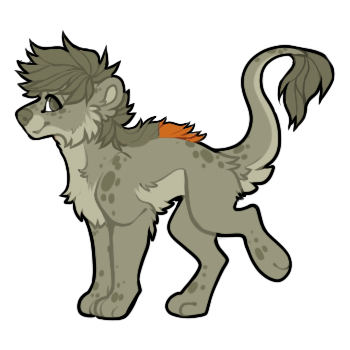
Longer Mane - Down Back (Uncommon)
Kiamaras with this trait have a longer mane that extends for more than half way down their back, but does not reach their rump.
This mane can have sections missing.
This can be used in conjunction with Hair Length traits.
Cannot be inverted.
Here you can find a link to the new length guides for this trait.
The maximum area this trait can go into is the orange area. We judge this based on where the end of the mane meets on the back.
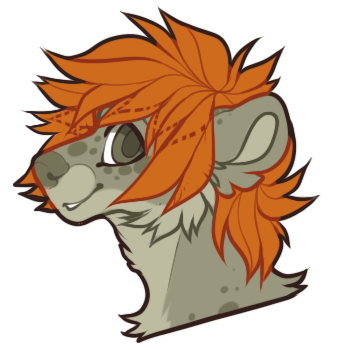
Slightly Longer Hair (Uncommon)
Kiamaras with this trait have slightly longer hair than the average Kiamara.
You can find out how long this hair type can be by checking out our Size Guides.
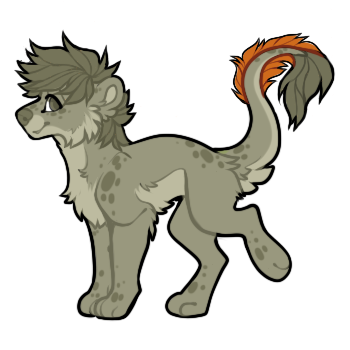
Longer Mane - Down Tail (Uncommon)
Kiamaras with this trait have a longer mane that extends for more than halfway down their tail (either on top, underneath, or both) but does not reach their rump.
This mane can have sections missing.
This can be used in conjunction with Hair Length traits.
Cannot be inverted.
Here you can find a link to the new length guides for this trait.
The maximum area this trait can go into is the orange area. We judge this based on where the end of the mane meets on the back.
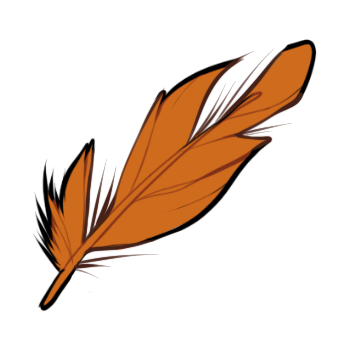
Damaged Feathers (Uncommon)
Kiamaras and Dromedairies with this feather trait have feathers that have been damaged.
The damage can be anywhere and take on any extent, however, it must still be recognisable as a feather with some barbs attached to the rachis.