Traits

Sakura Gene (Very Rare)
This trait grants the Dromedairy the Sakura colour pallette.
In breedings, this can be passed down as either a dominant or recessive gene.
If a dromedairy has this gene as recessive, in order for offspring to obtain it the other parent must either have this gene as a dominant gene, or a recessive gene.
Cannot pass to offspring as a dominant gene if only one parent carries the recessive gene and has a 25% chance of becoming dominant if both parents have it as recessive if rolled in a breeding.
Below shows the normal Colouration and how it would look if used in conjunction with the Inverted Gene
Bubble Gene (Very Rare)
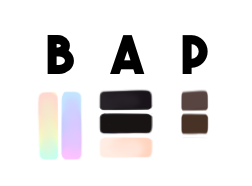
This trait grants the Dromedairy the Bubble colour pallette.
In breedings, this can be passed down as either a dominant or recessive gene.
If a dromedairy has this gene as recessive, in order for offspring to obtain it the other parent must either have this gene as a dominant gene, or a recessive gene.
Cannot pass to offspring as a dominant gene if only one parent carries the recessive gene and has a 25% chance of becoming dominant if both parents have it as recessive if rolled in a breeding.
Below shows the normal Colouration and how it would look if used in conjunction with the Inverted Gene
Drained Gene (Very Rare)
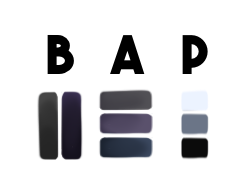
This trait grants the Dromedairy the Drained colour pallette.
In breedings, this can be passed down as either a dominant or recessive gene.
If a dromedairy has this gene as recessive, in order for offspring to obtain it the other parent must either have this gene as a dominant gene, or a recessive gene.
Cannot pass to offspring as a dominant gene if only one parent carries the recessive gene and has a 25% chance of becoming dominant if both parents have it as recessive if rolled in a breeding.
Below shows the normal Colouration and how it would look if used in conjunction with the Inverted Gene

Luna Gene (Very Rare)
This trait grants the Dromedairy the Luna colour pallette.
In breedings, this can be passed down as either a dominant or recessive gene.
If a dromedairy has this gene as recessive, in order for offspring to obtain it the other parent must either have this gene as a dominant gene, or a recessive gene.
Cannot pass to offspring as a dominant gene if only one parent carries the recessive gene and has a 25% chance of becoming dominant if both parents have it as recessive if rolled in a breeding.
Below shows the normal Colouration and how it would look if used in conjunction with the Inverted Gene

Depth Gene (Very Rare)
This trait grants the Dromedairy the Depth colour pallette.
In breedings, this can be passed down as either a dominant or recessive gene.
If a dromedairy has this gene as recessive, in order for offspring to obtain it the other parent must either have this gene as a dominant gene, or a recessive gene.
Cannot pass to offspring as a dominant gene if only one parent carries the recessive gene and has a 25% chance of becoming dominant if both parents have it as recessive if rolled in a breeding.
Below shows the normal Colouration and how it would look if used in conjunction with the Inverted Gene

Seaweed Gene (Very Rare)
This trait grants the Dromedairy the Seaweed colour pallette.
In breedings, this can be passed down as either a dominant or recessive gene.
If a dromedairy has this gene as recessive, in order for offspring to obtain it the other parent must either have this gene as a dominant gene, or a recessive gene.
Cannot pass to offspring as a dominant gene if only one parent carries the recessive gene and has a 25% chance of becoming dominant if both parents have it as recessive if rolled in a breeding.
Below shows the normal Colouration and how it would look if used in conjunction with the Inverted Gene

Clear Gene (Very Rare)
This trait grants the Dromedairy the Clear colour pallette.
In breedings, this can be passed down as either a dominant or recessive gene.
If a dromedairy has this gene as recessive, in order for offspring to obtain it the other parent must either have this gene as a dominant gene, or a recessive gene.
Cannot pass to offspring as a dominant gene if only one parent carries the recessive gene and has a 25% chance of becoming dominant if both parents have it as recessive if rolled in a breeding.
Below shows the normal Colouration and how it would look if used in conjunction with the Inverted Gene

Sweet Gene (Very Rare)
This trait grants the Dromedairy the Sweet colour pallette.
In breedings, this can be passed down as either a dominant or recessive gene.
If a dromedairy has this gene as recessive, in order for offspring to obtain it the other parent must either have this gene as a dominant gene, or a recessive gene.
Cannot pass to offspring as a dominant gene if only one parent carries the recessive gene and has a 25% chance of becoming dominant if both parents have it as recessive if rolled in a breeding.
Below shows the normal Colouration and how it would look if used in conjunction with the Inverted Gene
Stone Gene (Very Rare)
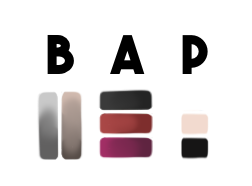
This trait grants the Dromedairy the Stone colour pallette.
In breedings, this can be passed down as either a dominant or recessive gene.
If a dromedairy has this gene as recessive, in order for offspring to obtain it the other parent must either have this gene as a dominant gene, or a recessive gene.
Cannot pass to offspring as a dominant gene if only one parent carries the recessive gene and has a 25% chance of becoming dominant if both parents have it as recessive if rolled in a breeding.
Below shows the normal Colouration and how it would look if used in conjunction with the Inverted Gene

Earlybird Gene (Very Rare)
This trait grants the Dromedairy the Earlybird colour pallette.
In breedings, this can be passed down as either a dominant or recessive gene.
If a dromedairy has this gene as recessive, in order for offspring to obtain it the other parent must either have this gene as a dominant gene, or a recessive gene.
Cannot pass to offspring as a dominant gene if only one parent carries the recessive gene and has a 25% chance of becoming dominant if both parents have it as recessive if rolled in a breeding.
Below shows the normal Colouration and how it would look if used in conjunction with the Inverted Gene
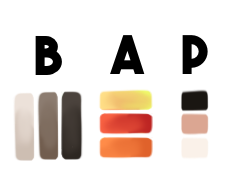
Birch Gene (Very Rare)
This trait grants the Dromedairy the Birch colour pallette.
If a dromedairy has this gene as recessive, in order for offspring to obtain it the other parent must either have this gene as a dominant gene, or a recessive gene.
Cannot pass to offspring as a dominant gene if only one parent carries the recessive gene and has a 25% chance of becoming dominant if both parents have it as recessive if rolled in a breeding.
Below shows the normal Colouration and how it would look if used in conjunction with the Inverted Gene

Royal Gene (Very Rare)
This trait grants the Dromedairy the Royal colour pallette that only affects Accent colours.
In breedings, this can be passed down as either a dominant or recessive gene.
The markings from this gene are always metallic and drip off of the Dromas body.
If a dromedairy has this gene as recessive, in order for offspring to obtain it the other parent must either have this gene as a dominant gene, or a recessive gene.
Cannot pass to offspring as a dominant gene if only one parent carries the recessive gene and has a 25% chance of becoming dominant if both parents have it as recessive if rolled in a breeding.
The colours of this accent palette are Metallic, dripping off the Droma's body, and it includes the dripping/oozing as part of the gene, meaning that the oozing trait does not get listed on the Droma.
This Gene is incompatible with any of the oozing traits.
This Gene is incompatible with the Luster Dust Gene
Below shows the normal Colouration and how it would look if used in conjunction with the Inverted Gene
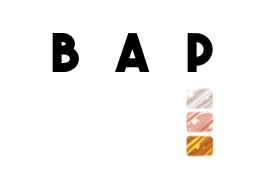
Luster Dust Gene (Very Rare)
This trait grants the Dromedairy the Luster Dust colour pallette that works differently than most colouration traits.
In breedings, this can be passed down as either a dominant or recessive gene.
If a dromedairy has this gene as recessive, for offspring to obtain it the other parent must either have this gene as a dominant gene, or a recessive gene.
Cannot pass to offspring as a dominant gene if only one parent carries the recessive gene and has a 25% chance of becoming dominant if both parents have it as recessive if rolled in a breeding.
Those who have this colouration have their Piebald colour palette on their current dominant colouration replaced with the colours of this gene.
The colours of this accent palette are Metallic, dripping off the Droma's body, and it includes the dripping/oozing as part of the gene, meaning that the oozing trait does not get listed on the Droma.
This Gene is incompatible with any of the oozing traits.
This Gene is incompatible with the Royal Gene
Below shows the normal Colouration and how it would look if used in conjunction with the Inverted Gene

Neon Gene (Very Rare)
This trait grants the Dromedairy the Neon colour palette.
In breedings, this can be passed down as either a dominant or recessive gene.
If a dromedairy has this gene as recessive, for offspring to obtain it the other parent must either have this gene as a dominant gene, or a recessive gene.
Cannot pass to offspring as a dominant gene if only one parent carries the recessive gene and has a 25% chance of becoming dominant if both parents have it as recessive if rolled in a breeding.
The accent colours of this gene glow & the piebald colours of this gene sparkle as part of the gene, meaning that the glow and sparkle traits do not get listed on the Droma.
This Gene is incompatible with any of the glow and sparkle traits.
Below shows the normal Colouration and how it would look if used in conjunction with theInverted Gene
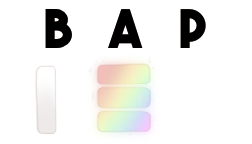
Suncatcher Gene (Very Rare)
This trait grants the Dromedairy the Suncatcher colour pallette.
This gene replaces the base colours on a Dromedairy's gene pallette with the ones present.
This gene also replaces the Accent colours with those present on this Pallette.
If a dromedairy has this gene as recessive, in order for offspring to obtain it the other parent must either have this gene as a dominant gene, or a recessive gene.
Cannot pass to offspring as a dominant gene if only one parent carries the recessive gene and has a 25% chance of becoming dominant if both parents have it as recessive if rolled in a breeding.
The accent colours of this gene glow and sparkle as part of the gene, meaning that the glow and sparkle traits do not get listed on the Droma.
This Gene is incompatible with any of the glow and sparkle traits.
This Gene is incompatible with the Inverted Gene
Very Large (Very Rare)
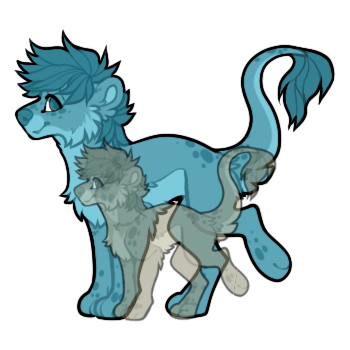
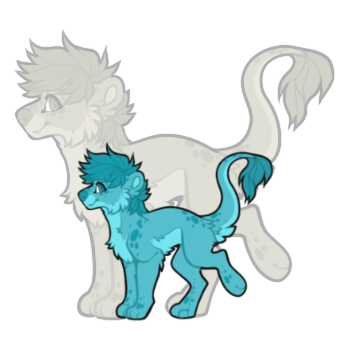
Solarians with this trait are larger than average size.
They would be the size of the LARGER blue silhouette on the image below. 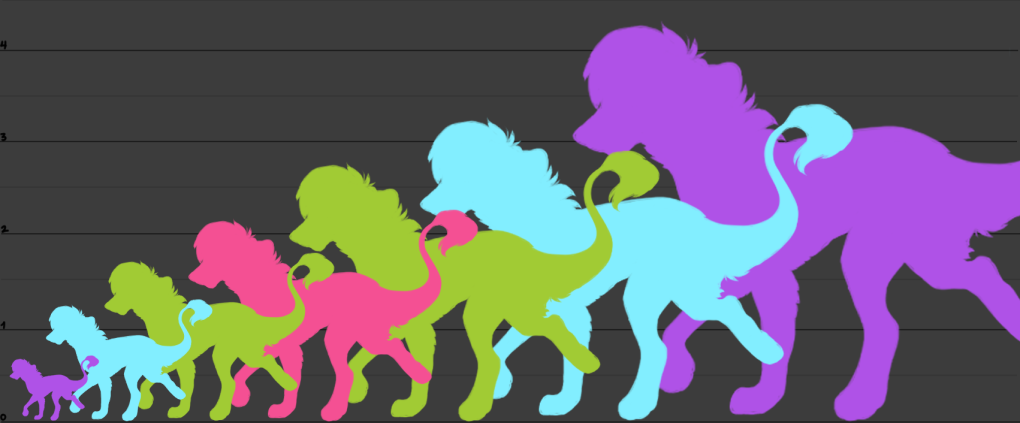
Very Small (Very Rare)
Solarians with this trait are smaller than average size.
They would be the size of the SMALLER blue silhouette on the image below.

Short-Legged (Very Rare)
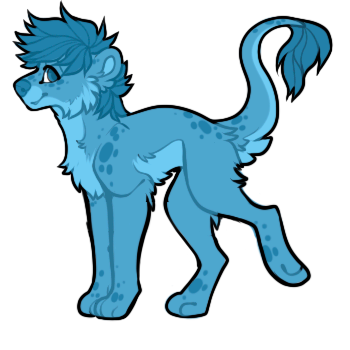
Solarians with this trait have very short legs, akin to those of a Corgi or Munchkin Cat.
The length of the leg is measured by the ankle placement.
Long-Legged (Very Rare)
Solarians with this trait have longer legs than average, more akin to Maned Wolves.
The length of the leg is measured by the ankle placement.