
Traits

Swamp Default Gene (Uncommon)
This gene is only guaranteed to Dromas of the Swamp subtype.
If a dromedairy has this gene as recessive, in order for offspring to obtain it the other parent must either have this gene as a dominant gene or a recessive gene.
Cannot pass to offspring as a dominant gene if only one parent carries the recessive gene.
If both parents have it as recessive gene, it has a 75% chance of becoming dominant if rolled in a breeding.
Note: This gene cannot be obtained using camilks.
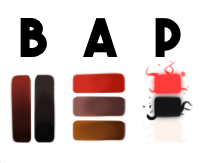
Parasitic Default Gene (Uncommon)
This gene is only guaranteed to Dromas of the Parasitic subtype.
All Piebald colours glow, have tendril-like whisps, and sparkle.
If a dromedairy has this gene as recessive, in order for offspring to obtain it the other parent must either have this gene as a dominant gene or a recessive gene.
Cannot pass to offspring as a dominant gene if only one parent carries the recessive gene.
If both parents have it as recessive gene, it has a 75% chance of becoming dominant if rolled in a breeding.
Note: This gene cannot be obtained using camilks.

Fungal Default Gene (Uncommon)
This gene is only guaranteed to Dromas of the Fungal subtype.
All Accent colours glow.
If a dromedairy has this gene as recessive, in order for offspring to obtain it the other parent must either have this gene as a dominant gene or a recessive gene.
Cannot pass to offspring as a dominant gene if only one parent carries the recessive gene.
If both parents have it as recessive gene, it has a 75% chance of becoming dominant if rolled in a breeding.
Note: This gene cannot be obtained using camilks.

Grassland Default Gene (Common)
This gene is only guaranteed to Dromas of the Grassland subtype.
If a dromedairy has this gene as recessive, in order for offspring to obtain it the other parent must either have this gene as a dominant gene or a recessive gene.
Cannot pass to offspring as a dominant gene if only one parent carries the recessive gene.
If both parents have it as recessive gene, it has a 75% chance of becoming dominant if rolled in a breeding.
Note: This gene cannot be obtained using camilks.

Sand Default Gene (Common)
This gene is only guaranteed to Dromas of the Sand subtype.
If a dromedairy has this gene as recessive, in order for offspring to obtain it the other parent must either have this gene as a dominant gene or a recessive gene.
Cannot pass to offspring as a dominant gene if only one parent carries the recessive gene.
If both parents have it as recessive gene, it has a 75% chance of becoming dominant if rolled in a breeding.
Note: This gene cannot be obtained using camilks.

Bubble Gene (Very Rare)
This trait grants the Dromedairy the Bubble colour pallette.
In breedings, this can be passed down as either a dominant or recessive gene.
If a dromedairy has this gene as recessive, in order for offspring to obtain it the other parent must either have this gene as a dominant gene, or a recessive gene.
Cannot pass to offspring as a dominant gene if only one parent carries the recessive gene and has a 25% chance of becoming dominant if both parents have it as recessive if rolled in a breeding.

Treat Gene (Uncommon)
In breedings, this can be passed down as either a dominant or recessive gene.
If a dromedairy has this gene as recessive, in order for offspring to obtain it the other parent must either have this gene as a dominant gene, or a recessive gene.
Cannot pass to offspring as a dominant gene if only one parent carries the recessive gene and has a 75% chance of becoming dominant if both parents have it as recessive if rolled in a breeding.

Sweet Gene (Very Rare)
This trait grants the Dromedairy the Sweet colour pallette.
In breedings, this can be passed down as either a dominant or recessive gene.
If a dromedairy has this gene as recessive, in order for offspring to obtain it the other parent must either have this gene as a dominant gene, or a recessive gene.
Cannot pass to offspring as a dominant gene if only one parent carries the recessive gene and has a 75% chance of becoming dominant if both parents have it as recessive if rolled in a breeding.

Lily Pad Gene (Rare)
This trait grants the Dromedairy the Lily Pad colour pallette.
In breedings, this can be passed down as either a dominant or recessive gene.
If a dromedairy has this gene as recessive, in order for offspring to obtain it the other parent must either have this gene as a dominant gene, or a recessive gene.
Cannot pass to offspring as a dominant gene if only one parent carries the recessive gene and has a 50% chance of becoming dominant if both parents have it as recessive if rolled in a breeding.
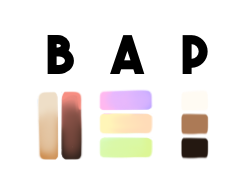
Estertide Gene (Uncommon)
This trait grants the Dromedairy the Estertide colour pallette.
In breedings, this can be passed down as either a dominant or recessive gene.
If a dromedairy has this gene as recessive, in order for offspring to obtain it the other parent must either have this gene as a dominant gene, or a recessive gene.
Cannot pass to offspring as a dominant gene if only one parent carries the recessive gene and has a 75% chance of becoming dominant if both parents have it as recessive if rolled in a breeding.

Clear Gene (Very Rare)
This trait grants the Dromedairy the Clear colour pallette.
In breedings, this can be passed down as either a dominant or recessive gene.
If a dromedairy has this gene as recessive, in order for offspring to obtain it the other parent must either have this gene as a dominant gene, or a recessive gene.
Cannot pass to offspring as a dominant gene if only one parent carries the recessive gene and has a 25% chance of becoming dominant if both parents have it as recessive if rolled in a breeding.

Seaweed Gene (Very Rare)
This trait grants the Dromedairy the Seaweed colour pallette.
In breedings, this can be passed down as either a dominant or recessive gene.
If a dromedairy has this gene as recessive, in order for offspring to obtain it the other parent must either have this gene as a dominant gene, or a recessive gene.
Cannot pass to offspring as a dominant gene if only one parent carries the recessive gene and has a 25% chance of becoming dominant if both parents have it as recessive if rolled in a breeding.

Depth Gene (Very Rare)
This trait grants the Dromedairy the Depth colour pallette.
In breedings, this can be passed down as either a dominant or recessive gene.
If a dromedairy has this gene as recessive, in order for offspring to obtain it the other parent must either have this gene as a dominant gene, or a recessive gene.
Cannot pass to offspring as a dominant gene if only one parent carries the recessive gene and has a 25% chance of becoming dominant if both parents have it as recessive if rolled in a breeding.

Luna Gene (Very Rare)
This trait grants the Dromedairy the Luna colour pallette.
In breedings, this can be passed down as either a dominant or recessive gene.
If a dromedairy has this gene as recessive, in order for offspring to obtain it the other parent must either have this gene as a dominant gene, or a recessive gene.
Cannot pass to offspring as a dominant gene if only one parent carries the recessive gene and has a 25% chance of becoming dominant if both parents have it as recessive if rolled in a breeding.

Breeze Gene (Legendary)
This trait grants the Dromedairy the Breeze colour pallette.
In breedings, this can be passed down as either a dominant or recessive gene.
If a dromedairy has this gene as recessive, in order for offspring to obtain it the other parent must either have this gene as a dominant gene, or a recessive gene.
Cannot pass to offspring as a dominant gene if only one parent carries the recessive gene and has a 10% chance of becoming dominant if both parents have it as recessive if rolled in a breeding.

Drained Gene (Very Rare)
This trait grants the Dromedairy the Drained colour pallette.
In breedings, this can be passed down as either a dominant or recessive gene.
If a dromedairy has this gene as recessive, in order for offspring to obtain it the other parent must either have this gene as a dominant gene, or a recessive gene.
Cannot pass to offspring as a dominant gene if only one parent carries the recessive gene and has a 25% chance of becoming dominant if both parents have it as recessive if rolled in a breeding.

Europa Gene (Legendary)
This trait grants the Dromedairy the Europa colour pallette.
This gene is only guaranteed from single-parent breeding of a Supernova Dromedairy.
If a dromedairy has this gene as recessive, in order for offspring to obtain it the other parent must either have this gene as a dominant gene, or a recessive gene.
Cannot pass to offspring as a dominant gene if only one parent carries the recessive gene and has a 75% chance of becoming dominant if both parents have it as recessive if rolled in a breeding.
Note: This gene cannot be obtained via camilks or mutations.

Spring Gene (Rare)
This trait grants the Dromedairy the Spring colour pallette.
In breedings, this can be passed down as either a dominant or recessive gene.
If a dromedairy has this gene as recessive, in order for offspring to obtain it the other parent must either have this gene as a dominant gene, or a recessive gene.
Cannot pass to offspring as a dominant gene if only one parent carries the recessive gene and has a 50% chance of becoming dominant if both parents have it as recessive if rolled in a breeding.

Sakura Gene (Very Rare)
This trait grants the Dromedairy the Sakura colour pallette.
In breedings, this can be passed down as either a dominant or recessive gene.
If a dromedairy has this gene as recessive, in order for offspring to obtain it the other parent must either have this gene as a dominant gene, or a recessive gene.
Cannot pass to offspring as a dominant gene if only one parent carries the recessive gene and has a 25% chance of becoming dominant if both parents have it as recessive if rolled in a breeding.

Wine Gene (Rare)
This trait grants the Dromedairy the Wine colour pallette.
In breedings, this can be passed down as either a dominant or recessive gene.
If a dromedairy has this gene as recessive, in order for offspring to obtain it the other parent must either have this gene as a dominant gene, or a recessive gene.
Cannot pass to offspring as a dominant gene if only one parent carries the recessive gene and has a 50% chance of becoming dominant if both parents have it as recessive if rolled in a breeding.